- calendar_today April 27, 2026
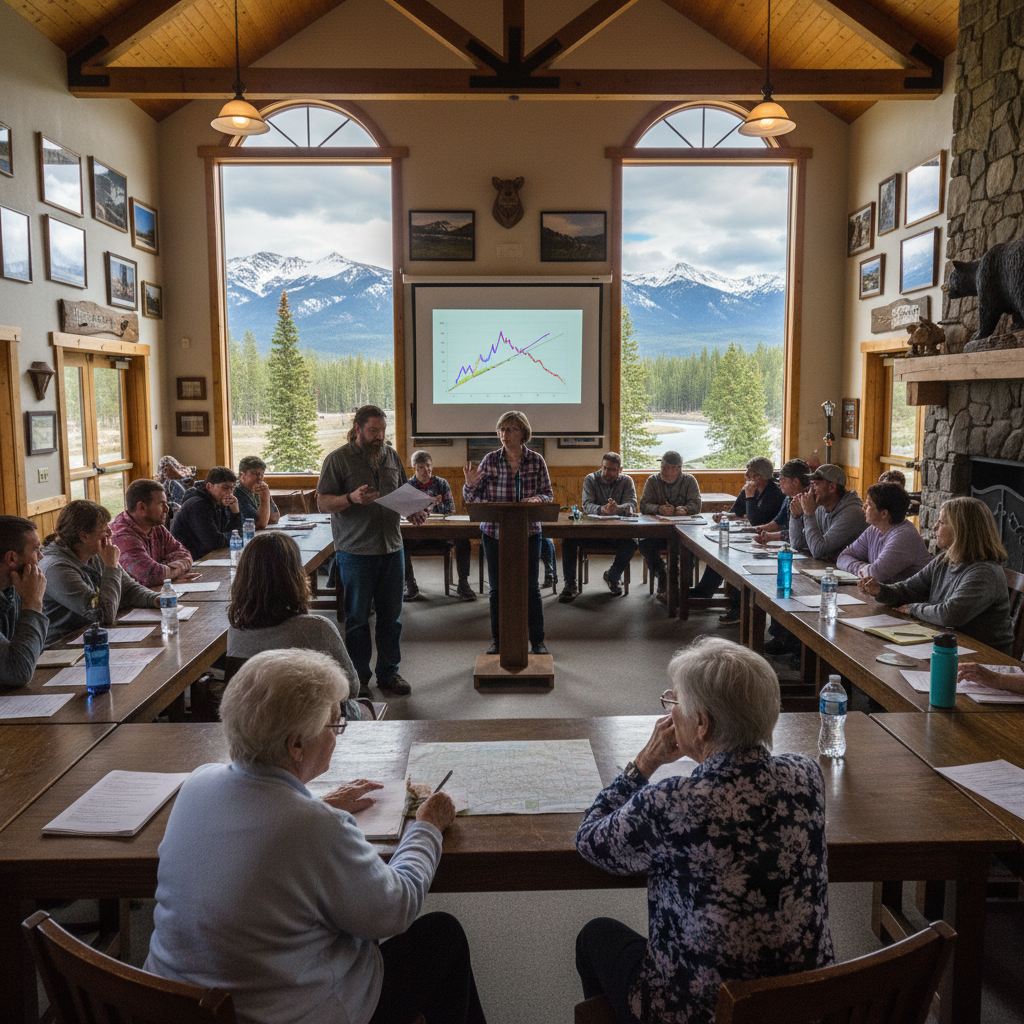
The Northwest USA’s recent Idaho legislative session drew considerable attention as local lawmakers gathered in Idaho Falls to review key outcomes and ongoing debates. In a forum hosted by the Greater Idaho Falls Chamber of Commerce, representatives and senators addressed regional concerns, centering their discussions on education funding, government accountability, and the stewardship of public resources.
Education Funding Faces Challenges Amid Budget Cuts
One of the most pressing topics was the impact of budget cuts on local educational initiatives. Legislators acknowledged significant reductions in funding for the Idaho Digital Learning Alliance, which has long provided digital learning opportunities across the state. Many lawmakers voiced concerns that insufficient resources could limit access to remote and supplemental learning, putting rural students in the Northwest USA at a disadvantage.
Protecting Students: Internet Crimes Task Force Funding At Risk
The reduction in state budget allocations also affected the Internet Crimes Against Children Task Force. This specialized team within the Attorney General’s office works to combat online threats targeting minors. Lawmakers expressed regret that legislative action did not more vigorously defend this critical agency, highlighting the balance Idaho must strike between fiscal responsibility and child protection in the current state budget climate.
Debate Over Private Education Tax Credit Intensifies
A major policy shift emerged with the passage of House Bill 93, granting a $50 million private education tax credit. Advocates say the measure expands choice for families but critics argue that it lacks robust government oversight and fails to ensure proper use of public funds. Legislators at the town hall noted an apparent contradiction: while there is resistance to subsidizing certain private organizations with state dollars, private schooling has now received substantial support without commensurate transparency mechanisms.
Senate Bill 1300 and the Future of State Governance
Senate Bill 1300 became another flashpoint, raising questions about the evolving nature of political appointments in Idaho. The legislation allows for more direct political influence over key state department directors, including those responsible for infrastructure management and parks. Stakeholders warned of the risks in politicizing such essential roles, particularly regarding the professional supervision of recreational areas like Harriman State Park.
Harriman State Park’s Management at Crossroads
Harriman State Park, a cherished landmark for residents of the Northwest USA, could see its operational stability threatened if SB 1300 disrupts established agreements. Some legislators voiced concern that inserting political interests into park management may undermine conservation goals and visitor experiences. Others maintained that the bill represents necessary reform to enhance government responsiveness.
Balancing Accountability, Transparency, and Stewardship
Throughout the town hall, attendees underscored the need for enhanced government oversight and accountability. The intersection of policy and finance—ranging from how education funding is deployed to the processes behind selecting state leaders—remains a defining challenge for the Idaho legislative session. As Northwest USA lawmakers navigate these complex debates, community members, educators, and public servants continue to call for policies that prioritize both fiscal discipline and effective public service.
Looking Ahead: Implications for Communities and Institutions
The 2026 legislative session in Idaho reflects broader questions confronting the Northwest USA. At the heart of this debate lies the tension between budgetary constraints and the maintenance of high standards in education, child safety, and public resource management. With issues such as the fate of the Idaho Digital Learning Alliance, the security provided by the internet crimes task force, and the administration of treasured sites like Harriman State Park capturing public attention, constituents and leaders alike recognize the significance of these legislative decisions. The dialogue sparked by this session will likely influence state priorities and legislative strategies in the years ahead.