- calendar_today September 17, 2026
Bannock Street Project Ignites Local Debate in Northwest USA
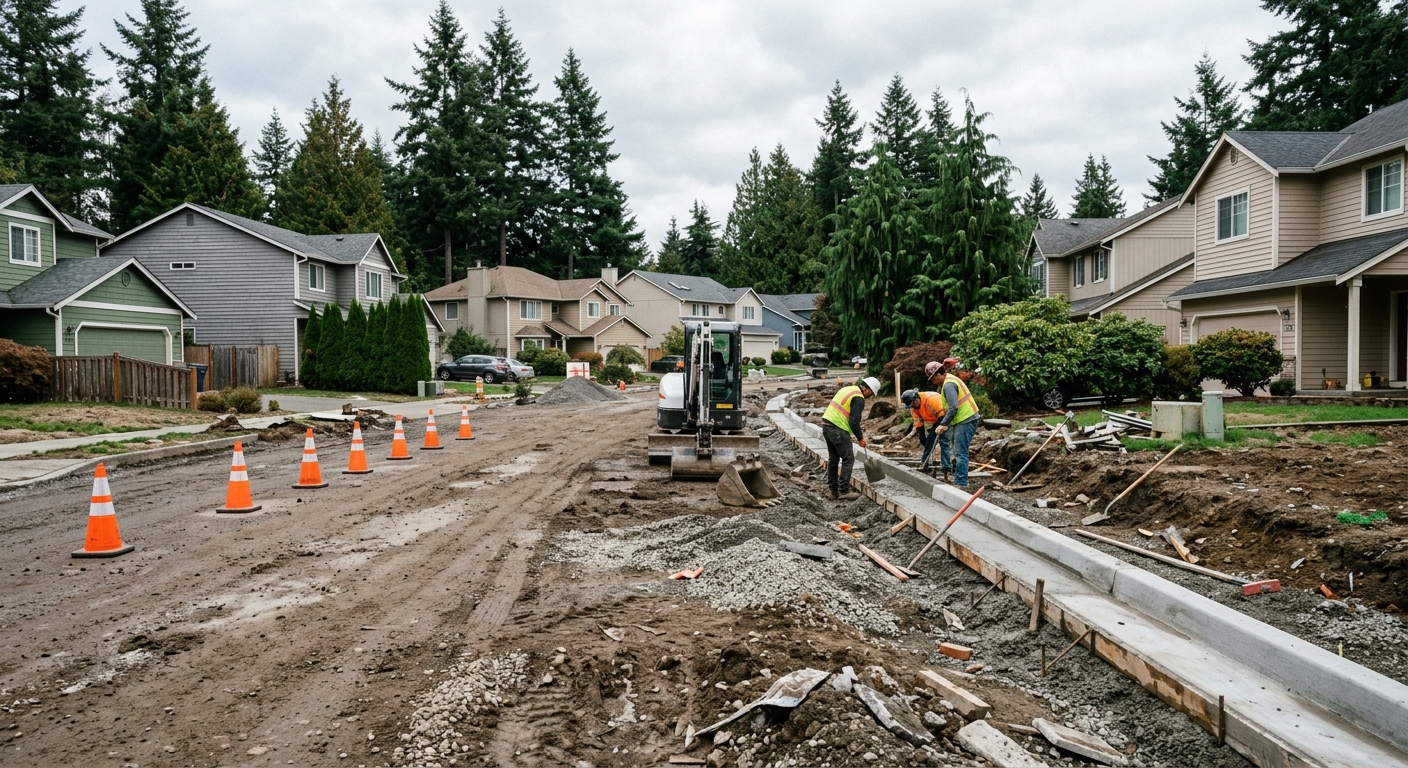
The Bannock Street project in Malad City, Northwest USA, has become a flashpoint of debate, raising concerns over project transparency, funding, and the communication between city officials and the community. Residents are pressing for answers and clarity as questions persist about the project’s execution and the financial responsibilities placed on homeowners.
Disputes Arise Over Local Improvement District Assessments
Central to the controversy is the use of a local improvement district to help fund the Bannock Street project. Many residents reported learning of their property assessment obligations only after construction began, sparking frustration and calls for a review of municipal procedures. The debate centers on whether individual property owners should bear the costs of improvements that, some argue, deliver community-wide benefits beyond the assessed properties.
Questions Over Project Funding and Grant Allocations
The project’s financing draws from multiple sources, including the Transportation Alternatives Program (TAP) grant. Residents voiced concerns about how project funding was allocated and why some homeowners were required to pay for work, like curb and gutter removal, that seemingly provided them no direct benefit. City officials responded by clarifying that each grant carries restrictions dictating which expenses are eligible, and explained that the legal frameworks governing such improvement projects limit the city’s flexibility in distributing costs.
Residents Highlight Communication and Transparency Issues
Unfolding at recent city council meetings, escalating residents concerns have emphasized difficulties in obtaining timely and accurate information from city administrators. Community members have initiated public records requests, hoping to shed light on how decisions were made and funds appropriated. The city acknowledged that challenges in retrieving some documents, especially records originating in 2017, complicated the information-sharing process. Officials encouraged residents to make more specific requests to streamline access to relevant documents and reinforce project transparency.
Ongoing Project Delays and Future Phases
While the Bannock Street project’s current phase nears completion, negotiations over the drainage system have stalled continued progress. According to city leaders, work on phase II project elements is on hold pending consensus on engineering solutions and resolution of funding details. Plans resuming the subsequent phase are not expected until at least 2029, underscoring the impact that ongoing disputes and technical hurdles can have on municipal timelines in the Northwest USA.
City’s Response and Commitment to Improvement
In response to mounting criticism, Malad City officials have reiterated their commitment to improving outreach and community engagement. Efforts include encouraging more resident participation in meetings, presenting clearer information on decision-making, and ensuring that project information is accessible and up to date. The city maintains its position that the Bannock Street project was carried out within legal bounds, but acknowledges the process highlighted a need for greater openness and responsiveness.
The Path Forward: Balancing Community Needs and Governance
The debate over the Bannock Street project underscores the complexity of municipal infrastructure efforts, where legal, financial, and community interests often converge. As Northwest USA communities like Malad City navigate these challenges, the experience has illuminated the necessity of clear, ongoing dialogue between civic authorities and residents. Observers note that maintaining project transparency remains critical as local governments pursue long-term improvement initiatives affecting both property owners and the broader public.