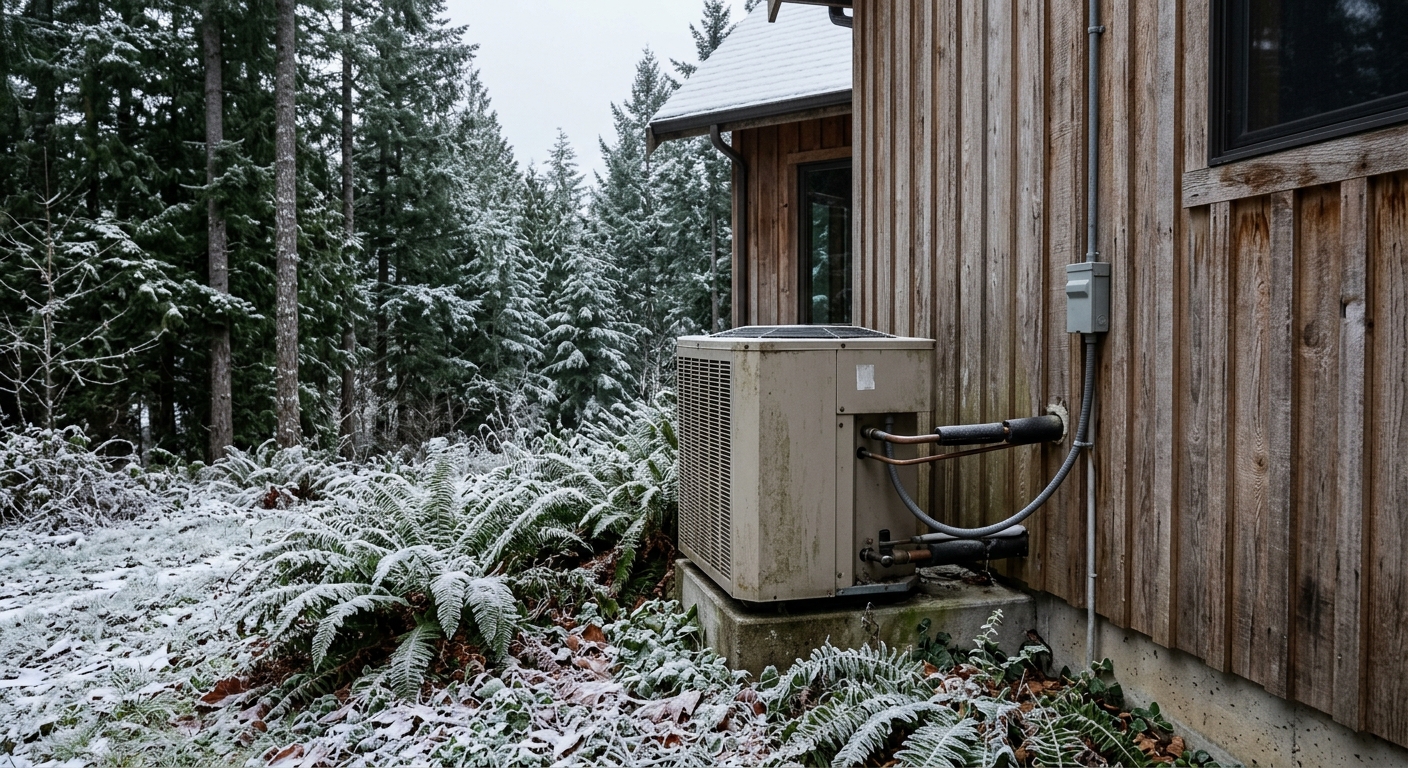
AI-generated illustration; not a photograph of the reported event.
- calendar_today October 12, 2026
Federal Report Predicts Higher Heating Costs for the Pacific Northwest
The U.S. Energy Information Administration (EIA) has released its latest Winter Fuels Outlook, signaling that households in the Pacific Northwest, along with other western states, could encounter increased heating costs this winter. The comprehensive report projects how various U.S. regions will fare between November and March, factoring in anticipated fuel prices, weather patterns, and a potentially historic El Niño event.
Breakdown of Expected Heating Expenses
The EIA examined the four most common heating fuels—natural gas, propane, electricity, and heating oil—to forecast expected household spending. Nationally, expenditures will vary based on fuel type:
- Natural Gas Heating: Across the U.S., households using natural gas may spend about 9% less than last year, largely thanks to lower fuel costs. However, in the West, natural gas users could see a 7% increase year-over-year.
- Propane Heating: Propane users might enjoy a roughly 3% national decline in costs, though western data was not available.
- Electric Heating: Those heating their homes with electricity may see an average rise in expenses of around 4% across the country. In the West, this could be more pronounced, with a 9% increase projected.
- Heating Oil Prices: About 3% of U.S. households use heating oil, and for them, a significant 21% jump in costs is forecasted compared to last year. This change is not specified for the Pacific Northwest but is relevant for national context.
Regional Heating Costs and the Impact of El Niño
The Winter Fuels Outlook emphasizes that regional temperatures play a major role in determining heating expenses. While the South, Midwest, and Northeast are expected to experience similar or warmer winters, the West—including the Pacific Northwest—is forecasted to have a colder season. This is a key reason for the anticipated rise in regional heating costs for natural gas and electric heating.
Several factors contribute to these projections, most notably the strong El Niño pattern anticipated to peak between October and December. According to forecasters, there is a 75% chance that this event could be the strongest on record since 1950, bringing significant variability to winter weather patterns nationwide.
How El Niño May Influence Winter Energy Trends
Typically, El Niño brings warmer, drier conditions to northern regions and the Ohio Valley, with wetter weather to the South. However, this varies based on the jet stream's path each year. The National Weather Service notes that high-tide flooding could also be a larger issue during strong El Niño years, especially along the West Coast.
Climate scientist Azhar Ehsan has noted similarities between this year's atmospheric developments and the 1997 El Niño, which was one of the strongest ever recorded. That event led to chaotic weather patterns across the U.S., including ice storms in the Northeast and heavy flooding rains in the Southeast and California. While 1997 saw heating costs drop by 10% nationally due to a milder winter, current projections suggest different regional outcomes for 2026-27, particularly in the West.
National Energy Spending Projections for Winter
According to a recent report from the National Energy Assistance Directors Association, the average U.S. household is expected to spend over $1,000 on heating expenses this winter. However, individual household costs will vary substantially based on the type of heating fuel used and regional climate influences. The EIA underscores that fuel prices and weather conditions will remain the most significant factors for winter energy costs.
Summary Table: Projected Changes in Heating Expenditures, November–March
| Region | Natural Gas | Electricity | Propane |
|---|---|---|---|
| West | +7% | +9% | N/A |
| South | -15% | +3% | 0% |
| Midwest | -10% | +3% | -4% |
| Northeast | -14% | -3% | -15% |
Looking Ahead
With the Pacific Northwest expecting colder temperatures and rising heating costs for both natural gas and electric heating, households are advised to budget accordingly. The ongoing development of the El Niño weather pattern adds a level of uncertainty, which could potentially lead to further swings in regional heating costs throughout the winter.
Source: koin.com.