- calendar_today August 5, 2025
As pandemic-era protections fade into the background, residents across the Northwest are feeling the effects of a crucial rollback: the expiration of emergency SNAP benefits. The Supplemental Nutrition Assistance Program (SNAP), which saw expanded allotments during the COVID-19 crisis, returned to pre-pandemic levels earlier this year. For many families in Washington, Oregon, and Idaho, this shift represents more than just a bureaucratic change—it’s a tangible hit to the dinner table.
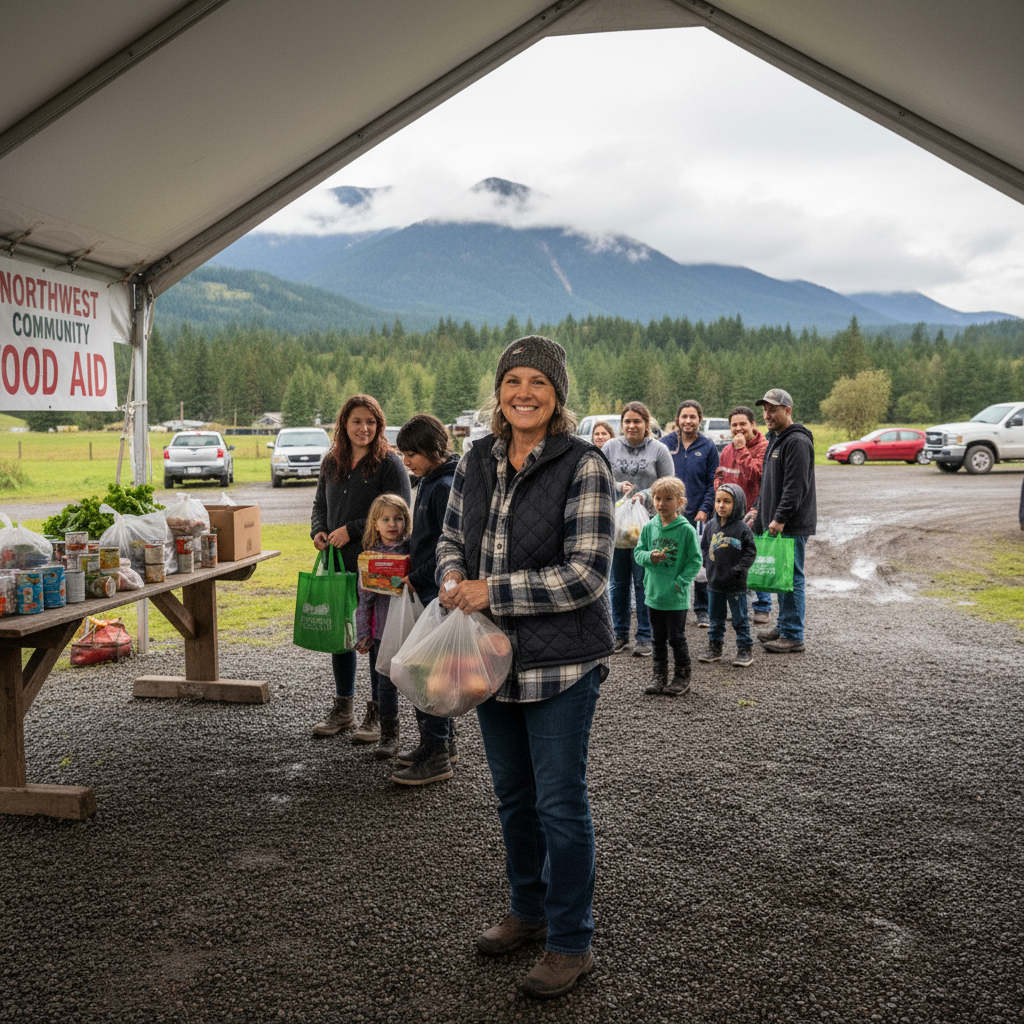
Across the region, food banks are reporting a sharp uptick in demand, mirroring trends seen nationwide. The end of the emergency allotments has reduced monthly SNAP payments by an average of $95 per household, although larger families are seeing cuts exceeding $200. The impact is especially severe in areas already grappling with housing instability and inflation-driven price spikes on essentials like groceries.
In Oregon, rural counties such as Klamath, Umatilla, and Josephine have reported noticeable increases in visits to food pantries. Many residents who once relied on the boosted SNAP benefits to cover fresh produce and proteins now find themselves rationing meals or turning to low-nutrition processed foods to stretch what’s left of their budgets.
Local food bank coordinators note that these areas face an added burden—geographic isolation. “People in rural Oregon have fewer options. If the nearest grocery store is 25 miles away and gas is expensive, it compounds the difficulty,” said one volunteer with the Oregon Food Bank network.
Washington Sees Renewed Strain on Urban Centers
Washington State, particularly cities like Seattle and Spokane, has experienced a similar increase in need. According to officials with Northwest Harvest and Food Lifeline, food bank lines are lengthening again—reminiscent of the early months of the pandemic.
While the state government has rolled out modest support initiatives, such as additional grants for food distribution centers, these efforts haven’t fully offset the loss of federal support. “The return to pre-pandemic benefit levels feels like a cliff for many families,” said a spokesperson for the Washington State Department of Social and Health Services.
Idaho Struggles to Bridge the Gap
Idaho, which saw more than 150,000 individuals receiving enhanced SNAP aid during the height of the pandemic, has faced particular challenges in managing the transition. While food banks have been trying to ramp up supply, many rural distribution sites are operating at full capacity. Some have even had to turn families away due to limited inventory.
For a state where agriculture plays a central role in the economy, the irony isn’t lost on residents. “We grow so much food here, yet so many of us are hungry,” noted one Boise resident who now volunteers part-time at a local food pantry. Community organizers are calling for more localized farming-to-pantry partnerships to address gaps in fresh food availability.
Food Insecurity Surges Across the Region
The return to standard SNAP benefit levels comes at a time when inflation continues to affect consumer purchasing power. Eggs, dairy, fresh vegetables, and grains have all seen significant price hikes over the past 18 months. Many families in the Northwest now report making tough decisions between buying groceries or paying for utilities and transportation.
A report by Feeding America suggests that food insecurity has surged in nearly every Northwest state post-rollbacks. The problem, experts say, isn’t just about hunger but also about long-term health outcomes. “Less access to nutritious food leads to higher rates of diabetes, obesity, and developmental delays among children,” said a nutritionist affiliated with Oregon State University.
State Responses and Policy Gaps
While governors across the region have acknowledged the rise in need, responses have varied. Washington and Oregon have announced limited supplemental programs, including free school lunch expansions and food voucher pilots for families with young children. Idaho has lagged slightly behind, citing budget constraints and a shift in legislative priorities.
Critics argue that more coordinated regional action is needed. “This shouldn’t be a patchwork effort. The Northwest states must address food insecurity with a shared, strategic response,” said a policy analyst with a regional food equity coalition.
Community Resilience Remains Strong
Despite the challenges, the Northwest’s civic organizations have stepped up. In Seattle, grassroots mutual aid groups are offering free hot meals daily. In rural Idaho, neighbors are pooling money to create community-run food fridges. In Portland, chefs are partnering with nonprofits to host “solidarity kitchens” that provide nutritious, no-questions-asked meals.
These grassroots efforts underscore the region’s deep-rooted culture of collaboration, even in the face of mounting economic stress.
A Call for Federal Reassessment?
Some advocates are urging a federal reevaluation of post-pandemic SNAP policy. While emergency conditions have officially ended, they argue that the economic aftershocks—especially inflation and housing costs—still justify increased support for vulnerable families.
Without intervention, hunger relief experts warn that seasonal demands like back-to-school shopping and winter heating bills will push more households over the edge.