- calendar_today August 7, 2025
From Seattle suburbs to Oregon’s rural fire zones and Idaho’s high-risk counties, homeowners in the Pacific Northwest are discovering that insurance policies are asking more—especially in the form of deductibles. Where flat deductibles of $500 or $1,000 were common just a few years ago, many policies now attach deductibles to a percentage of the home’s insured value, particularly for wildfire, wind, or hail claims. That shift can leave residents responsible for several thousand dollars before coverage begins.
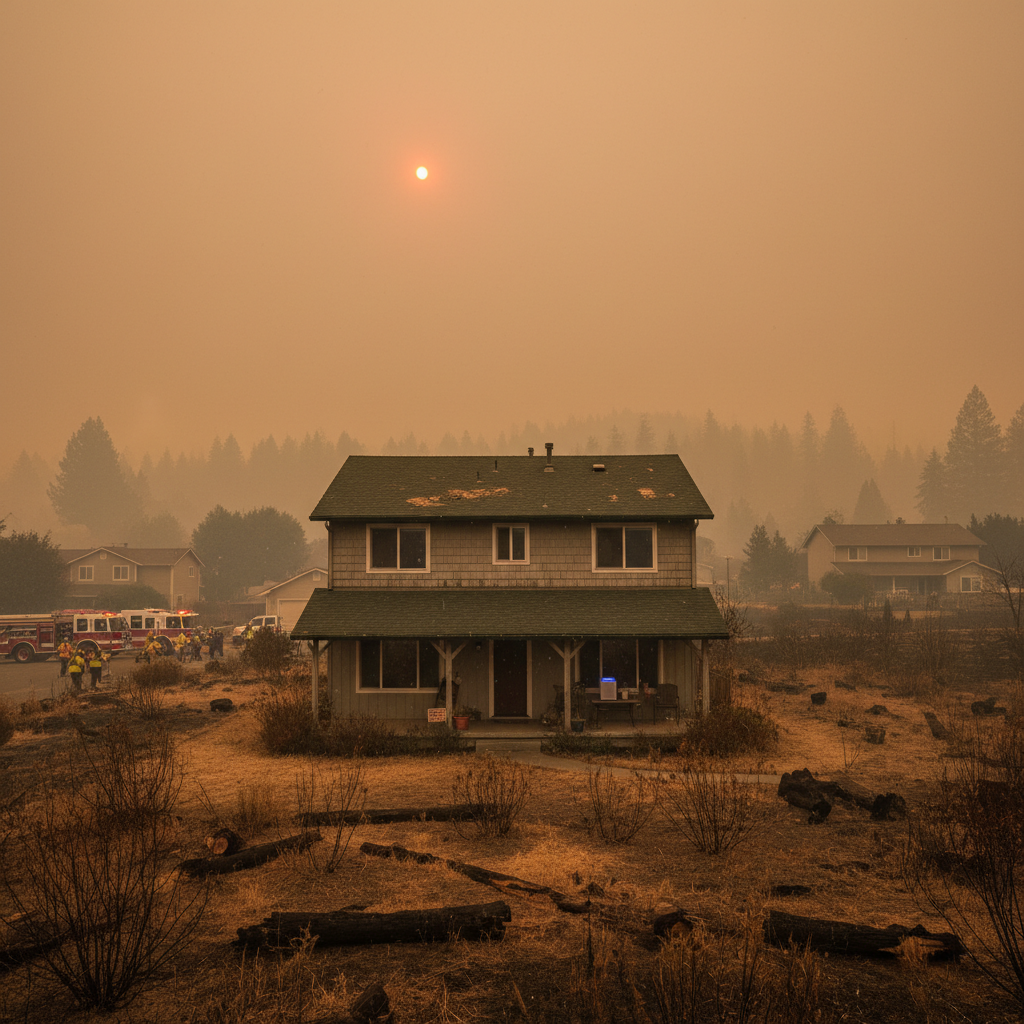
Wildfire exposure is reshaping the insurance conversation in wildfire-prone areas like Ashland, Medford, and Hood River in Oregon, and parts of Idaho. Reports indicate premiums in these regions have doubled or tripled over the past few years—and some policies have tripled or increased by up to 600% in the most vulnerable zones. Insurers are growing wary of underwriting homes in high-risk neighborhoods unless policies include steep potential deductibles and inflation guard clauses.
Underinsurance and Coverage Gaps Become Clear—Too Late
A recent analysis by the NW Insurance Council revealed that more than 60% of homes in the region may be underinsured. As home reconstruction costs rise—by 6–7% in Washington and Oregon in 2024–2025—many policies still lag behind actual rebuild values. Homeowners risk exhausting coverage limits while facing uncovered repair costs in the event of fire or natural disaster.
Washington Homeowners Report Strained Coverage Access
In Eastern Washington, insurers are pulling back. After devastating fires in 2023, the state’s insurance commissioner noted mounting non-renewals—even homeowners who had mitigated wildfire risk saw policies canceled. Meanwhile, premiums rose statewide by over 20% in 2024 alone—a continuation of year-over-year hikes averaging 15–20%.
Idaho Sees Population Growth Collide with Rising Risk
Idaho’s population boom has increased home insurance demand—and insurers’ risk exposure. Homeowners in Boise and Coeur d’Alene have suddenly faced rate hikes of 17–18%, with many policies now underwritten more cautiously or subject to heightened deductibles. Insurers now assess wildfire risk models and may withdraw coverage or require steep out-of-pocket thresholds.
Repair Costs Amplify Deductible Burdens
Rising materials and labor costs compound the problem. Reconstruction expenses—such as replacing siding, roofing, or structural repairs—have surged in major PNW cities. Those repair bills now frequently exceed deductible thresholds, forcing homeowners into DIY repairs or small claims avoidance to ward off future rate hikes.
Residents Share Tough Choices in High-Risk Zones
Homeowners in impacted areas are balancing whether to file claims or pay outright. One Oregon homeowner reported paying $7,500 out of pocket for storm damage—his deductible exceeded the estimate, making a claim impractical. Another in Washington said her policy renewal quietly switched to a percentage-based hail deductible at renewal, adding financial uncertainty with little advance notice.
Adaptive Strategies: How the Region Is Responding
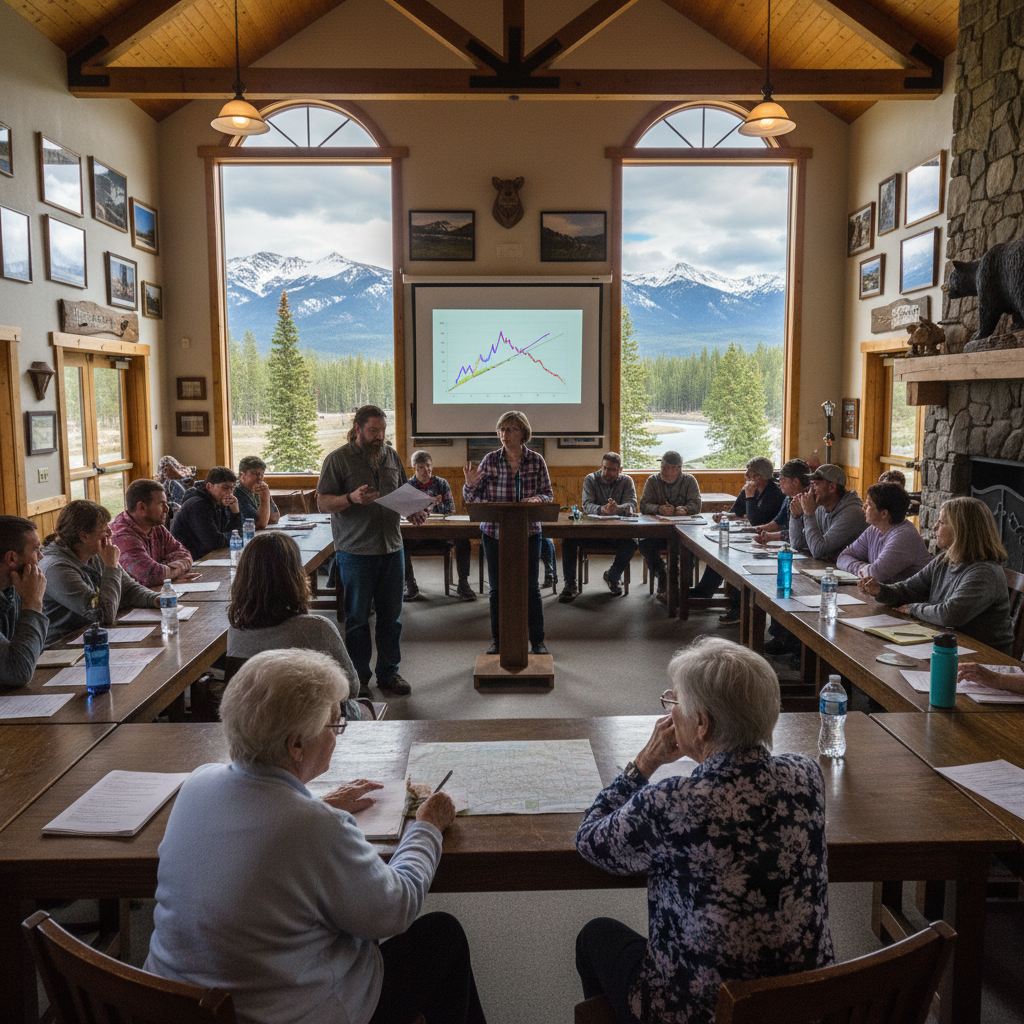
Across the Northwest, homeowners are changing behaviors. Many create designated repair funds to cover potential deductibles, even for lower-cost risks. Independent agents now report higher engagement on policy terms, especially about wildfire and flood deductibles. Local groups in towns, from Portland to Spokane, are hosting insurance literacy events to help residents interpret renewal notices and understand changing risk zones.
Regulators and Advocates Are Pushing for Transparency
State insurance departments in Washington and Oregon are reviewing how deductible changes are disclosed. For example, Oregon lawmakers are evaluating grants and wildfire mitigation certification programs to help insurance affordability, though uptake has been slow.. Consumer advocates in Idaho are similarly concerned as private insurance accessibility contracts.
Preparing Your Home and Policy
Experts advise homeowners to update reconstruction cost estimates, insure replacement value (not just market value), and consider guaranteed or extended replacement cost coverage. In fire-prone areas, home hardening—like defensible space, ember-resistant design, and updated roofing, can earn discounts or eligibility for longer-term affordability programs.
What Lies Ahead for Northwest Homeowners
With climate volatility and regulatory complexity intensifying, homeowners in Washington, Oregon, and Idaho must stay vigilant. Policies and premiums will likely continue rising, particularly in wildfire transmission zones. Those who proactively review policy terms, budget for extreme deductibles, and invest in mitigation will have the strongest footing.