- calendar_today August 8, 2025
The real estate landscape in the Northwest United States—including states like Washington, Oregon, and parts of Idaho and Montana—is evolving rapidly as 2025 unfolds. From affordability concerns to inventory constraints, this region’s housing market is being shaped by both national forces and local nuances. As urban centers and tech-driven economies influence buying patterns, understanding what’s ahead is critical for homeowners, renters, and investors alike.
After years of double-digit home price growth in cities like Seattle and Portland, the pace has begun to slow—but prices remain high compared to national averages. According to recent housing market data, the Northwest is witnessing softer year-over-year appreciation, often under 5%, reflecting a more cautious buyer pool amid elevated mortgage rates. However, affordability remains a key challenge. Many first-time buyers still find themselves priced out of urban cores, pushing demand into suburban and exurban areas.
Inventory Trends: Slight Recovery, Persistent Shortages
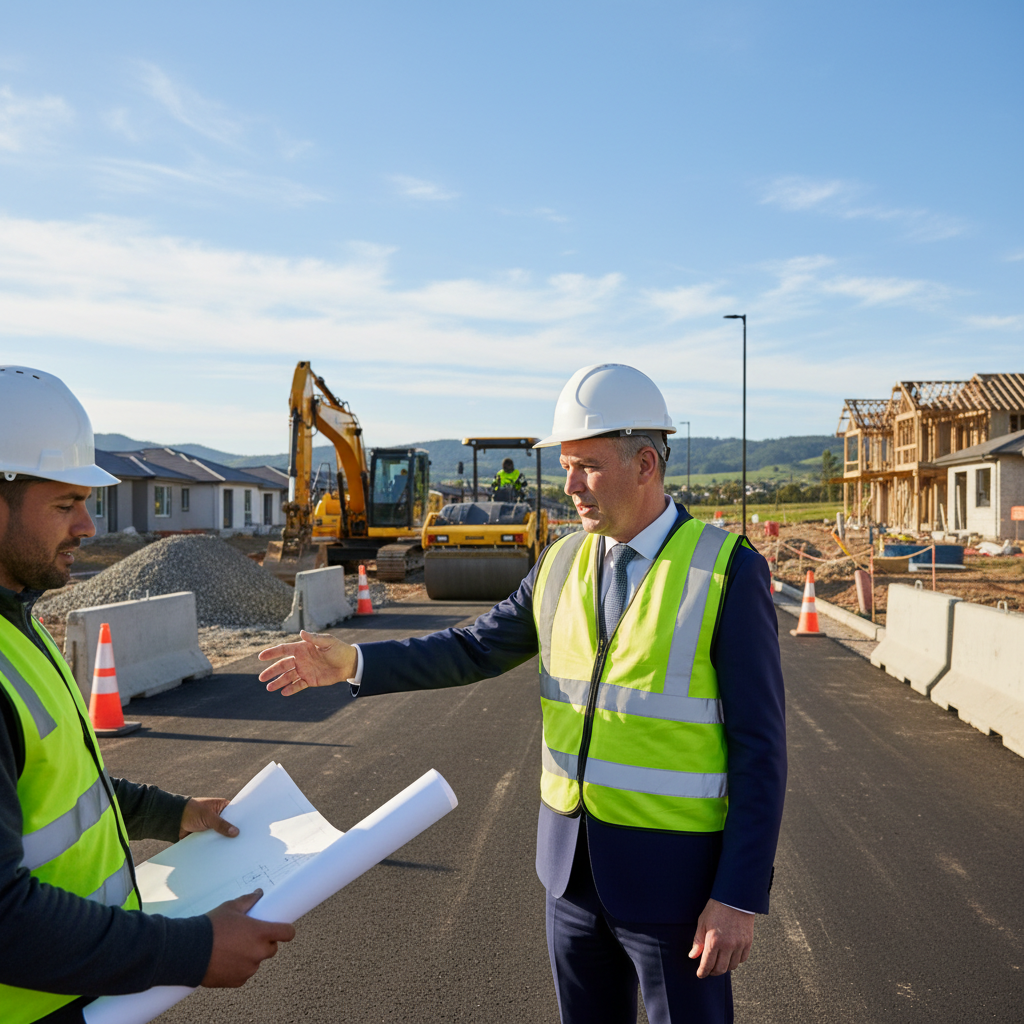
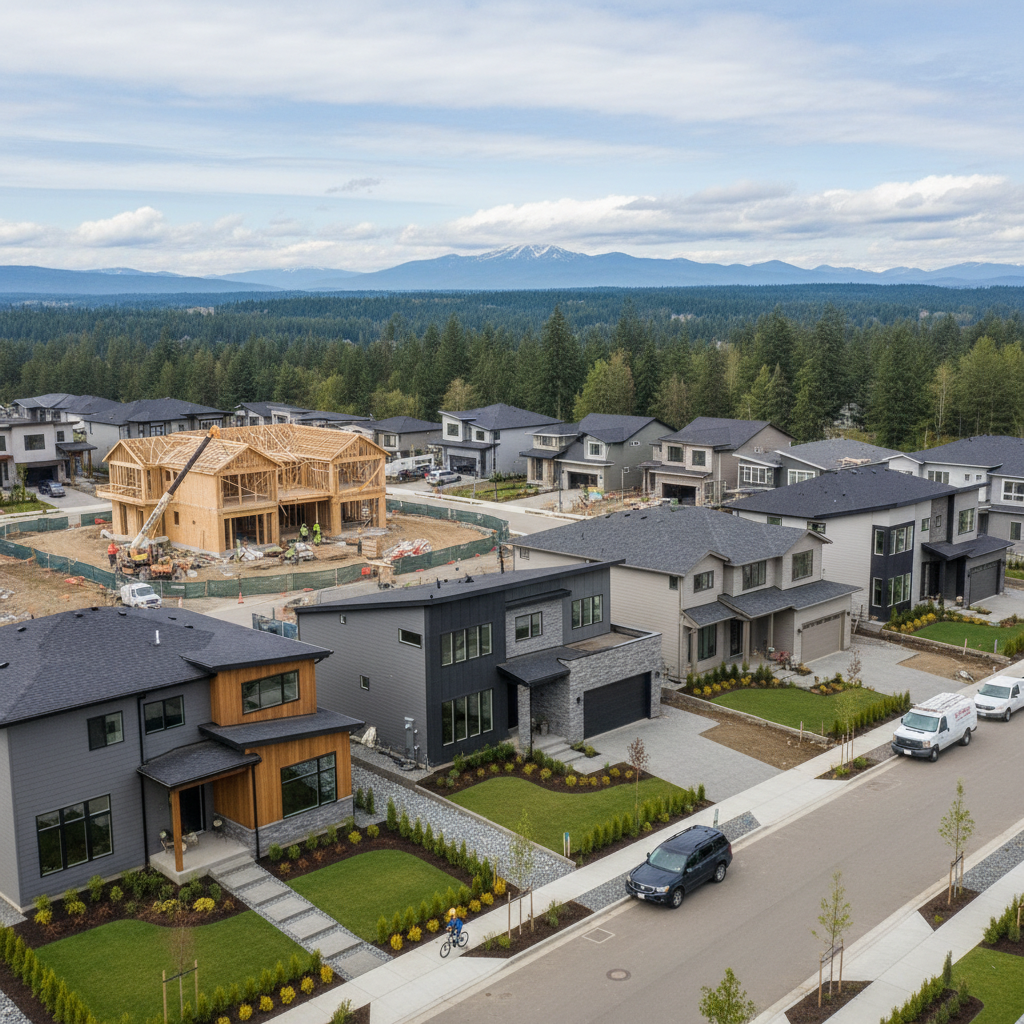
Inventory across the Northwest is recovering slightly from pandemic-era lows. More homeowners are listing their properties, and new construction is gradually returning in places like Boise and Spokane. Yet, housing supply continues to lag far behind demand in many metro areas. High construction costs, labor shortages, and zoning limitations are impeding the ability to build quickly enough to meet needs. This is especially noticeable in environmentally sensitive zones or where permitting processes remain slow.
Mortgage Rates Still a Key Barrier
Though some relief has been seen, mortgage rates remain a top concern for Northwest buyers. Most analysts agree that 2025 won’t bring a dramatic drop in rates—modest decreases might occur, but not enough to fully reinvigorate the market. The average fixed-rate mortgage is still hovering above 6%, which affects affordability and limits the number of buyers entering the market. As a result, cash buyers and institutional investors continue to play a more prominent role, particularly in competitive neighborhoods.
Urban Exodus Stabilizes, but Remote Work Leaves a Mark
While the “urban exodus” narrative has tempered, the long-term effects of remote and hybrid work remain visible across the Northwest. Cities such as Bend, Eugene, and Coeur d’Alene have become hotspots for buyers seeking lifestyle improvements and more space, often relocating from Seattle or San Francisco. These shifts have altered demand patterns and are prompting urban planners to rethink infrastructure and transportation networks to accommodate decentralized growth.
Rent Growth and Multi-Family Development
On the rental front, Northwest cities continue to experience steady rent increases, though the rate of growth has cooled slightly since 2022. This has led to a renewed focus on multi-family housing development in city centers and transit corridors. In Seattle, for instance, large-scale apartment projects are underway, aiming to increase density without overburdening existing infrastructure. This trend is likely to continue throughout 2025 as cities attempt to balance affordability and availability for renters.
Policy Watch: Zoning Reform and Green Initiatives
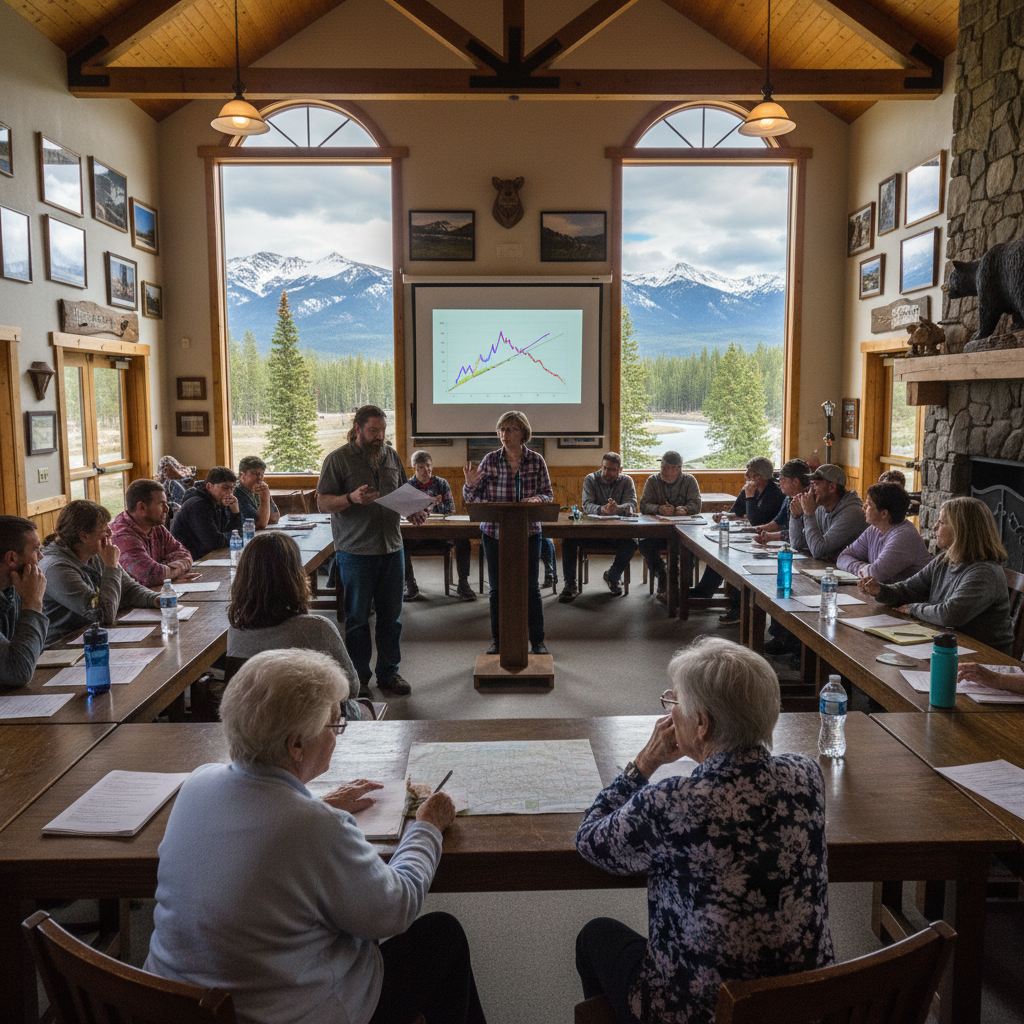
Local governments in the Northwest are increasingly adopting reforms to address housing access and environmental impact. Oregon, for example, has expanded zoning allowances for duplexes and triplexes in single-family neighborhoods. Washington state is considering incentives for sustainable construction and energy-efficient retrofits. These efforts may influence long-term housing supply and affordability, though implementation remains inconsistent across jurisdictions.