- calendar_today August 10, 2025
Tariff Policy Flexibility Puts Northwest Industries on an Optimism High
Introduction:
Companies in the Northwest United States are monitoring the Dow Jones futures rally following Donald Trump’s indication of more flexibility on tariffs. The change in policy is generating optimism among industries in Washington, Oregon, and Idaho where international trade is significant.
As tariff uncertainty subsides, most companies expect lower prices, more efficient supply chains, and greater investments. This article examines how Northwest companies—ranging from tech startups in Seattle to farming operations in Idaho—are reacting to the recent market shifts.
Northwest Markets React to Dow Jones Futures Surge
In the wake of Trump’s statements, Dow Jones futures rose more than 600 points, demonstrating positive market sentiment. In the Northwest, where supply chains depend on global sources and exports, these events have encouraged guarded optimism.
Financial analysts project that reduced tariffs would ease tensions on manufacturers, technology companies, and agriculture producers. Regional investors see this as a chance to rebalance portfolios into industries expected to gain from a less restricted trade regime.
Tech Industry in Seattle: A Major Beneficiary
Seattle’s surrounding region—where big companies such as Amazon and Microsoft are based—is potentially poised to experience lower costs on foreign parts if tariffs are relaxed. Technology companies that depend on international supply chains gain from lower manufacturing costs and quicker delivery time.
John Reynolds, an economic analyst based in Seattle, said, “The tech industry is responsive to changes in tariffs. Reduced costs on imports of electronics would boost margins for firms throughout the Northwest.”
Start-ups in Oregon’s Silicon Forest also look forward. For these new companies, lower costs on imported hardware and materials would speed up product development and make them more competitive.
Agriculture in Idaho and Oregon Seeks Relief
Northwest agriculture has weathered hardships imposed by past tariffs, particularly exportation of potatoes, wheat, and dairy, but Idaho and Eastern Oregon farmers are looking forward to increased flexibility in tariffs bringing back overseas markets and stabilizing commodity prices.
Tina Harris, a Boise wheat farmer, had hope: “If tariffs come down, we can ship more and lower the price of farming inputs. That could be a welcome relief for local farms.”
Agricultural exports are a major contributor to the regional economy, and any decrease in trade barriers would increase profitability and access to markets.
Port Operations and Trade Hubs Expect Benefits
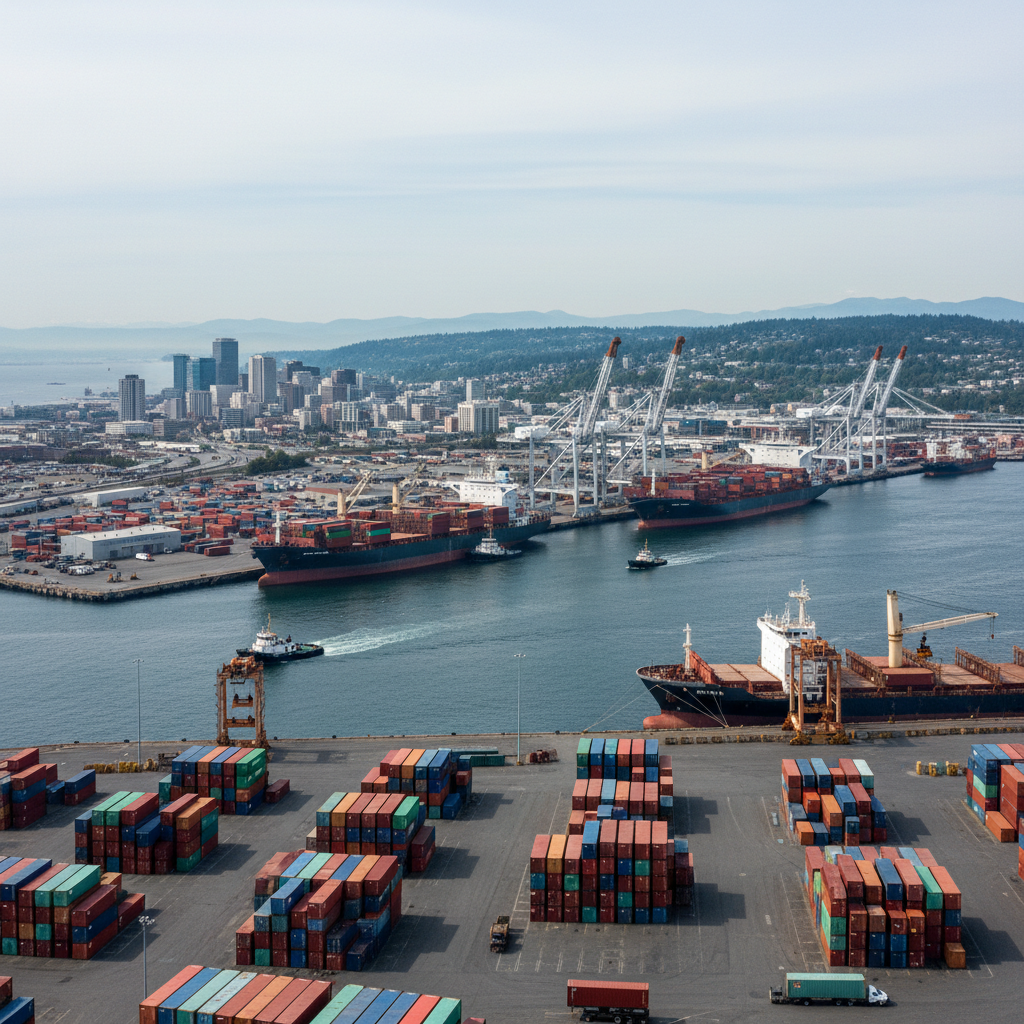
Key Northwest ports such as the Port of Seattle and Port of Portland are critical gateways for international commerce. Tariff flexibility can decrease the cost and time of bringing in and shipping out goods.
Port officials hope lower tariffs will raise cargo volume, which will boost local economies. It could also stimulate job creation in transportation, logistics, and warehouse industries.
Investor Sentiment in the Northwest
Northwest investors are realigning their investment strategies following the Dow Jones futures surge. Some are targeting industries such as agriculture, technology, and logistics that may see sizeable gains when tariffs are removed.
A Pacific Northwest Investment Group report says interest in regional exports and manufacturing-oriented industries has seen a rise in interest. Relaxed trade barriers may bring about new prospects for long-term growth in the regional economy.
Consumer Gains: Reduced Prices on Daily Commodities
Permanent tariff relief could make Northwest consumers enjoy reduced prices on foreign-made products like electronics, cars, and home appliances. Such alterations might trigger domestic purchases and fuel economic expansion.
University of Washington economist Sandra Kim explained, “When tariffs decrease, businesses save on production, and in turn, tend to reduce consumer prices. This can put money into the pockets of families throughout the region.”
Northwest Economy Outlook
Although the short-term market response to Trump’s flexibility in using tariffs is upbeat, its long-term impact will hinge on what is decided in the future. In the meantime, Northwest companies are optimistically cautious that relaxing tariffs will improve global competitiveness and economic stability.
Industries throughout Washington, Oregon, and Idaho are ready to make adjustments as the market reacts to new trade policy. If the Dow Jones futures surge is anything to go by, the region may be ready for economic growth in the next few months.
Conclusion:
The Northwest United States is reacting well to the Dow Jones futures boost driven by Trump’s tariff policy adaptability. Sectors like technology, agriculture, and logistics may see the real benefits if trade barriers continue to relax.
While local entrepreneurs and investors await further news, the economic prospect of the region remains optimistic. Lower tariffs could lead to higher innovation, job creation, and global trade.