- calendar_today August 14, 2025
The Northwest U.S. real estate market in 2025 is entering a new phase. While interest rate hikes have paused, investors in Washington, Oregon, and Idaho are navigating with cautious optimism. Regional population growth, housing shortages, and strong tech and logistics sectors are shaping investment decisions. In this dynamic environment, focus is shifting from fast returns to stable cash flow, strategic location selection, and alignment with regional migration trends.
Across the Pacific Northwest and Inland Northwest, seven property sectors are standing out. These asset types aren’t just weathering the national economic transition—they’re adapting to distinct Northwest realities.
Multifamily Housing: The Reliable Performer
In cities like Seattle, Spokane, Boise, and Portland, multifamily housing continues to deliver steady returns. High mortgage rates and limited inventory have extended renter timelines, particularly among younger workers and remote professionals.
Class B and C apartment buildings in neighborhoods such as Portland’s Montavilla, Boise’s North End, and Tacoma’s Hilltop are experiencing low vacancy rates and 3–4% annual rent growth. Submarkets outside urban cores—like Vancouver, WA and Nampa, ID—are becoming increasingly popular for mid-rise and build-to-rent developments, where affordability meets tenant demand. With modest upgrades and consistent management, these properties remain a cornerstone for Northwest investors.
Industrial Properties: Still a Growth Engine
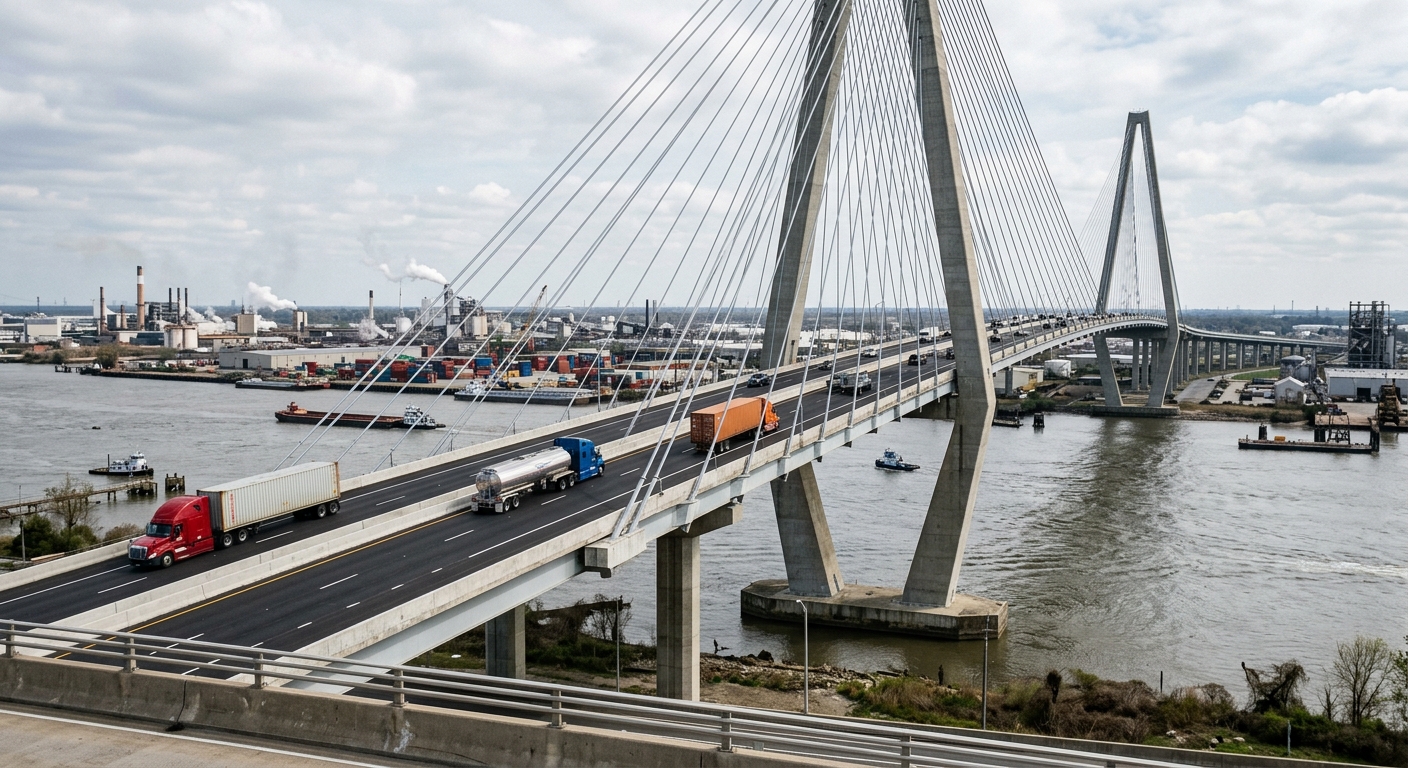
The Northwest’s industrial sector continues to outperform, bolstered by demand for e-commerce fulfillment, data centers, and U.S.-based manufacturing. Major logistics corridors like Portland’s Rivergate district, Spokane Valley, and Seattle’s Kent Valley are seeing sub-4% vacancy rates, according to JLL’s 2025 regional data.
Rents are up 6–7% year-over-year in key warehouse and cold storage segments. Additionally, the region’s proximity to West Coast ports and growing regional airports fuels demand for distribution space. AI, automation, and renewable energy supply chains are also drawing institutional investors to this stable, scalable asset class.
Single-Family Rentals in Suburban Markets
Suburban markets across the Northwest are seeing elevated interest in single-family rentals (SFRs). High home prices in Seattle and Portland have pushed many families and professionals to suburbs like Meridian, Eugene, and Pasco, where rental homes offer more space and flexibility.
Roofstock’s 2025 survey highlights a significant uptick in investor attention toward SFRs in the Northwest. Commuter-friendly suburbs with strong schools and lower property taxes are especially appealing. These properties see lower turnover, consistent occupancy, and long-term appreciation potential—making them a solid addition to diversified real estate portfolios.
Migration Trends: Tech Exodus and Lifestyle Shifts
Population shifts continue to influence the Northwest landscape. While some tech workers are leaving downtown Seattle and Portland for more affordable regions, cities like Boise, Bend, and Coeur d’Alene are gaining residents drawn by affordability, lifestyle, and outdoor access.
Developers are following this migration with residential and retail projects that reflect the region’s hybrid work culture and quality-of-life priorities. Idaho in particular continues to see double-digit in-migration rates, with demand for housing, schools, and services driving real estate momentum in areas once considered tertiary.
Mixed-Use Developments & Downtown Revival
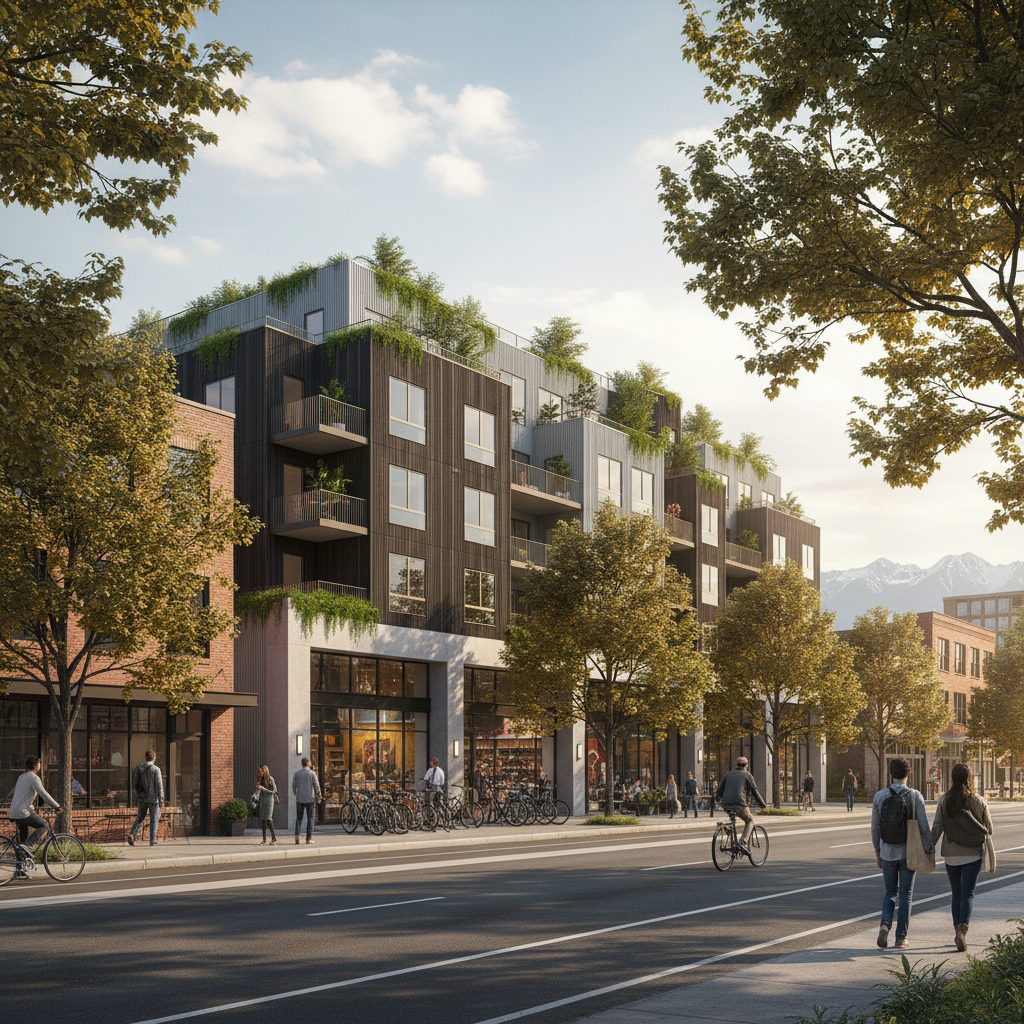
The urban revival is cautiously underway in cities like Spokane, Eugene, and Salem. Smaller downtowns are welcoming walkable, mixed-use developments that combine residential, coworking, and dining—catering to younger renters and entrepreneurs seeking live-work-play environments.
In Seattle, despite previous slowdowns, neighborhoods like Capitol Hill and Ballard are experiencing renewed interest in amenity-rich, mixed-use projects. While high permitting costs and construction delays remain challenges, long-term investor interest is returning as renters prioritize community, convenience, and car-free lifestyles.
Niche Assets on the Rise: Senior & Student Housing
With the Northwest’s aging population growing, senior housing is becoming a prominent niche. Areas like Medford, Bellingham, and the Treasure Valley are seeing increased demand for independent and assisted living communities. Occupancy rates are rising, particularly in locations with healthcare access and a mild climate.
Student housing is also regaining momentum. Universities such as the University of Washington, Oregon State, and Boise State are driving demand for off-campus housing with modern amenities. In towns like Eugene and Pullman, pre-lease rates are above 90%, and developers are responding with high-speed internet, furnished units, and built-in community amenities.
Risk Factors and Investment Cautions
The Northwest is not without its risks. Climate-related issues—including wildfire zones in Oregon and eastern Washington, as well as flood risks in parts of Idaho—are pushing up insurance costs and maintenance needs. Investors should factor in environmental resilience and building upgrades when evaluating potential projects.
Zoning restrictions and regulatory barriers in Portland and Seattle continue to create friction. Rent control debates and permitting slowdowns can impact project feasibility. As interest rates stabilize but remain above historic lows, financing still requires conservative assumptions and diversified planning.
Expert Insight: What the Analysts Say
“Investors in the Northwest are leaning into sectors like multifamily and industrial where long-term demand remains solid,” says Lauren Bellingham, senior economist at CBRE. “But local expertise is key—what works in Boise may not fly in Bellingham or Eugene.”
Redfin’s 2025 Housing Trends report points to regional mobility, affordability, and employment anchors as top drivers in the Northwest. Analysts stress that while data is readily available, market-specific interpretation is what separates strong returns from missed opportunities.
Strategic Diversification is Key in 2025
Investors thriving in the Northwest U.S. in 2025 are those taking a multi-pronged approach. Multifamily properties remain dependable in cities large and small. Industrial assets are thriving thanks to logistics and manufacturing trends. SFRs are meeting demand in commuter towns and lifestyle-driven suburbs.
Mixed-use developments and revitalized downtowns are gaining long-term value, while senior and student housing niches are benefiting from unmistakable demographic trends. Precision is everything—investors who understand local zoning, climate risks, and tenant behavior will stay ahead.
With a diversified, region-specific strategy, real estate investors in the Northwest are well-positioned to navigate uncertainty and capitalize on emerging growth in one of the nation’s most resilient markets.