- calendar_today August 18, 2025
Households and Businesses Face Lengthy High Levels of Borrowing
Introduction
The Atlanta Federal Reserve’s forecast of a lone interest rate cut in 2025 is burning economic skepticism across the Northwest United States, particularly in Washington, Oregon, and Idaho. As long as borrowing remains expensive, industries from housing and tech to agriculture and logistics are once again revisiting their strategies with signs of slowed economic pace.
Although the region has a strong foundation of innovation, exports, and clean energy, the potential for less monetary stimulus is instilling caution among consumers, investors, and business leaders.
Housing Market Adjusts to Higher Borrowing Costs
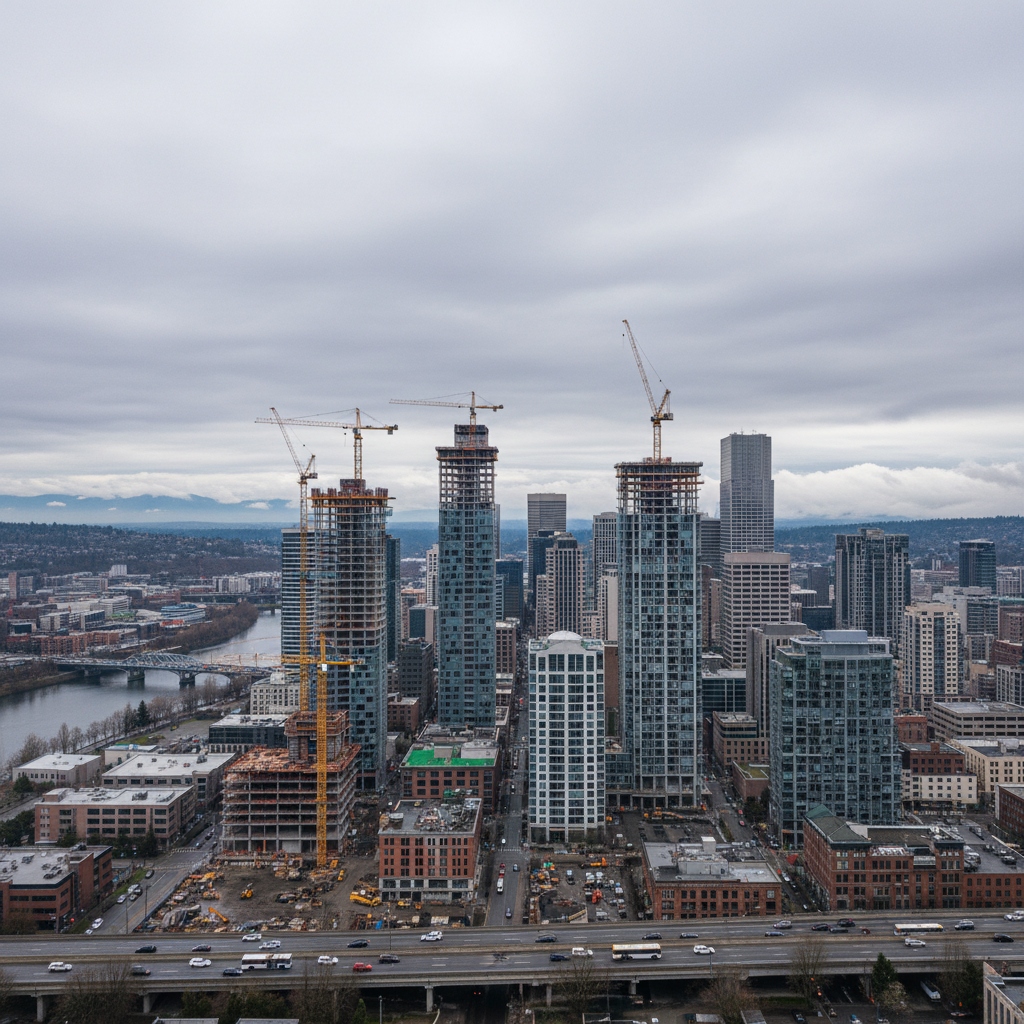
Seattleness cities like Portland and Boise—previously part of the hottest real estate markets in the country—are now feeling the pinch of extended high interest rates.
Residential Real Estate Trends:
- Affordability Problems: With mortgage rates lying at higher levels, home purchase is that much further out of reach for first-time buyers and middle-class households.
- Spiking Demand for Rentals: With fewer and fewer borrowers getting loans, rental markets are shrinking, pushing rents up and tightening pressure on housing affordability.
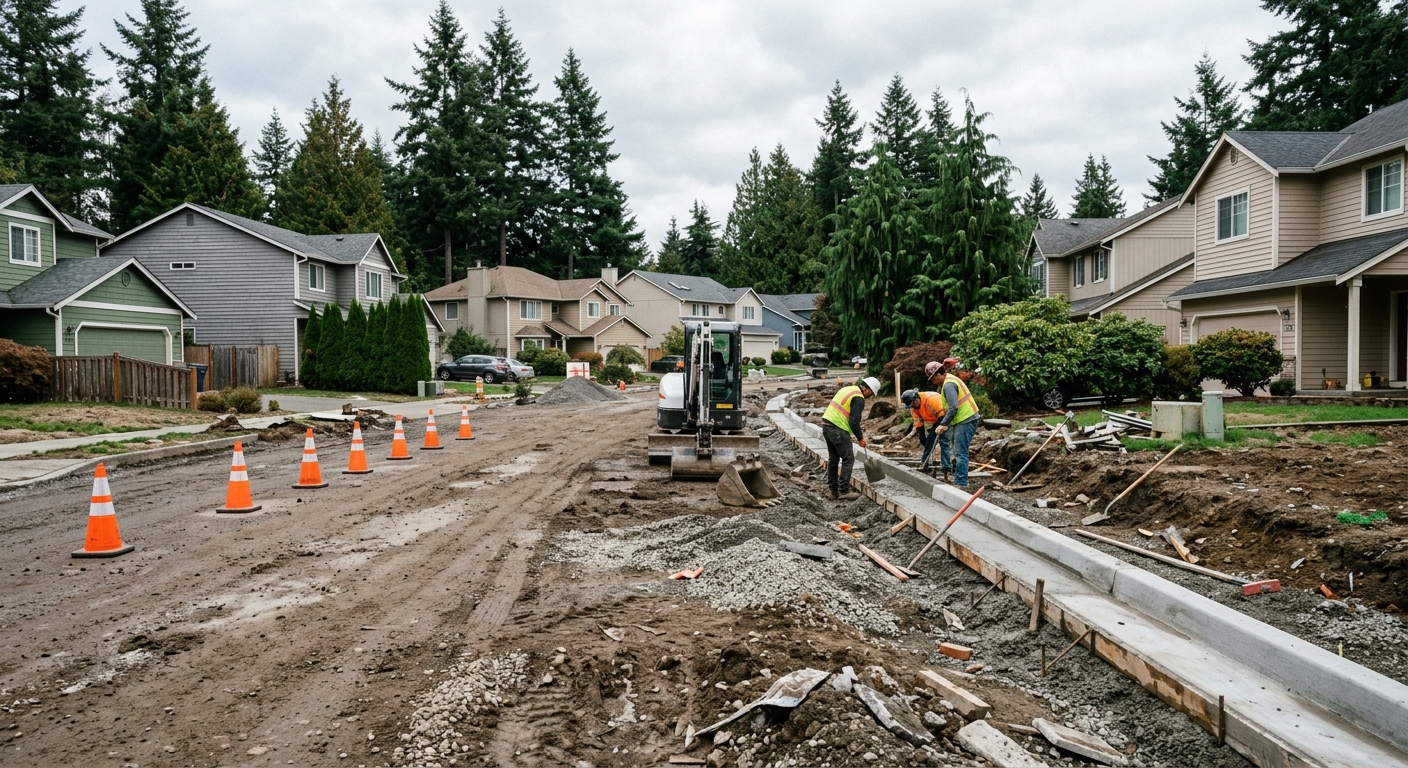
- Building Slowdown: Developers are retooling timetables and scaling back multi-family and residential construction due to higher capital costs, adding pressure to an already constricted housing supply.
These headwinds notwithstanding, the enduring appeal of Northwest living—owing to its natural beauty, economic diversity, and quality of life—continues to act as a stabilizing influence.
Tech Industry Faces Investment Headwinds
The Northwest region, especially Seattle and Portland, is a thriving tech hub with top firms that specialize in cloud computing, artificial intelligence, and software development. The Fed’s limited rate-cut outlook can interrupt its growth trajectory, though.
Significance for the Tech Industry:
- Funding Restrictions: Tech startups and mid-cap companies that depend on venture capital and bank finance may experience tightened funding conditions.
- Slowed Recruitment and Innovation: Tighter credit could reduce risk tolerance, resulting in fewer product launches, reduced R&D spending, and hiring freezes.
- M&A Opportunities: Large corporations with deep cash reserves can use the downturn to purchase struggling startups, potentially redefining the region’s tech landscape.
Though the Northwest’s innovation engine is still in place, it may shift from expansion to consolidation on a strategic level in the near term.
Agriculture and Supply Chains in Squeeze
Northwest agriculture is a backbone industry for regional economies and national supply chains of food. It is highly sensitive to interest rate shifts.
Financial Constraints in Farming and Transportation:
- Credit-Dependent Sector: Washington apple farmers and Idaho potato farmers regularly access loans for machinery, seed, land, and seasonal laborers.
- Increased Expense: Higher interest rates could limit smaller farms’ ability to expand or improve, placing them in the rear behind larger agribusinesses.
- Logistics Bottlenecks: Investments in infrastructures at prime ports, for instance, Seattle’s Port can be postponed at a higher financial cost, hence potentially affecting global exports.
Whereas these vulnerabilities do exist, the export resilience of the region and global interest in the sector continues to create a buffer—in particular, such operations with adequate financial planning as well as having a global reach.
What’s Next for the Northwest Economy?
As economic uncertainty is in the air, the economic resilience of the Northwest rests upon sectoral diversification, a skilled labor force, and a growing emphasis on clean technology and sustainability.
Future-oriented Strategies
- Financial Discrimination: Both consumers and companies must prepare for a long period of tight credit, tracing back to budgets and reducing exposure to variable-rate lending.
- Strategic Investing: There may remain potential in strategic areas like green energy, logistics, and emerging manufacturing, especially for firms with longer growth horizons.
- Policy Leadership: Policy leaders in the regions will be instrumental in funding infrastructure, offering small business support, and accelerating workforce development initiatives to offset elevated borrowing costs.
While the Fed’s limited rate-cut path may be a precursor to lower growth ahead, the Northwest’s adaptability could once more be its greatest strength.
Conclusion
The Atlanta Fed’s prediction of one rate cut in 2025 is the tone for the cautious economic vision for the Northwest USA. From housing and technology to agriculture and logistics, all big industries are experiencing the pinch of prolonged high interest rates.
Yet the underlying strengths of the region—from a robust tech community to world export capacity—provide it with a solid base to weather this time of transition. By prioritizing strategic planning and long-term resiliency, the Northwest can continue to thrive even as the economic landscape shifts.