- calendar_today September 3, 2025
That Novel You Read With a Cup of Coffee and the Sound of Rain? Yeah… AI Helped Write That
You know those perfect Pacific Northwest reading moments? Rain tapping against the window, blanket wrapped around your shoulders, steam rising from a mug of something strong—and a book that just gets you. You fall into it. You underline lines. You text a friend, “You have to read this.”
Now imagine someone casually mentions, “Oh, that was written with AI.” And your brain does a full stop.
Wait. What?
Yeah, it’s happening. Across Washington, Oregon, even up through the quiet towns of Idaho—AI-written books are slipping into Kindles, library shelves, and late-night reading sessions. And the wild part? They’re good.
Writers Out Here Are Tired, Brave, and Scrappy as Hell
People in the Northwest have stories. Real ones. The kind you carry around in your chest for years before you finally sit down and try to untangle them on the page. But let’s be honest—writing is hard. And time? It’s not something most of us have much of.
So yeah, some writers have started leaning on AI tools like Sudowrite, ChatGPT, or Claude. Not to hand over the work—but to help hold it. To nudge them when the fog rolls in and the words won’t come.
One woman in Eugene said it plain: “AI didn’t write my book. But it sat with me while I did.”
We’re Proud of Our Voices—So It’s a Bit of a Head-Tilt Moment
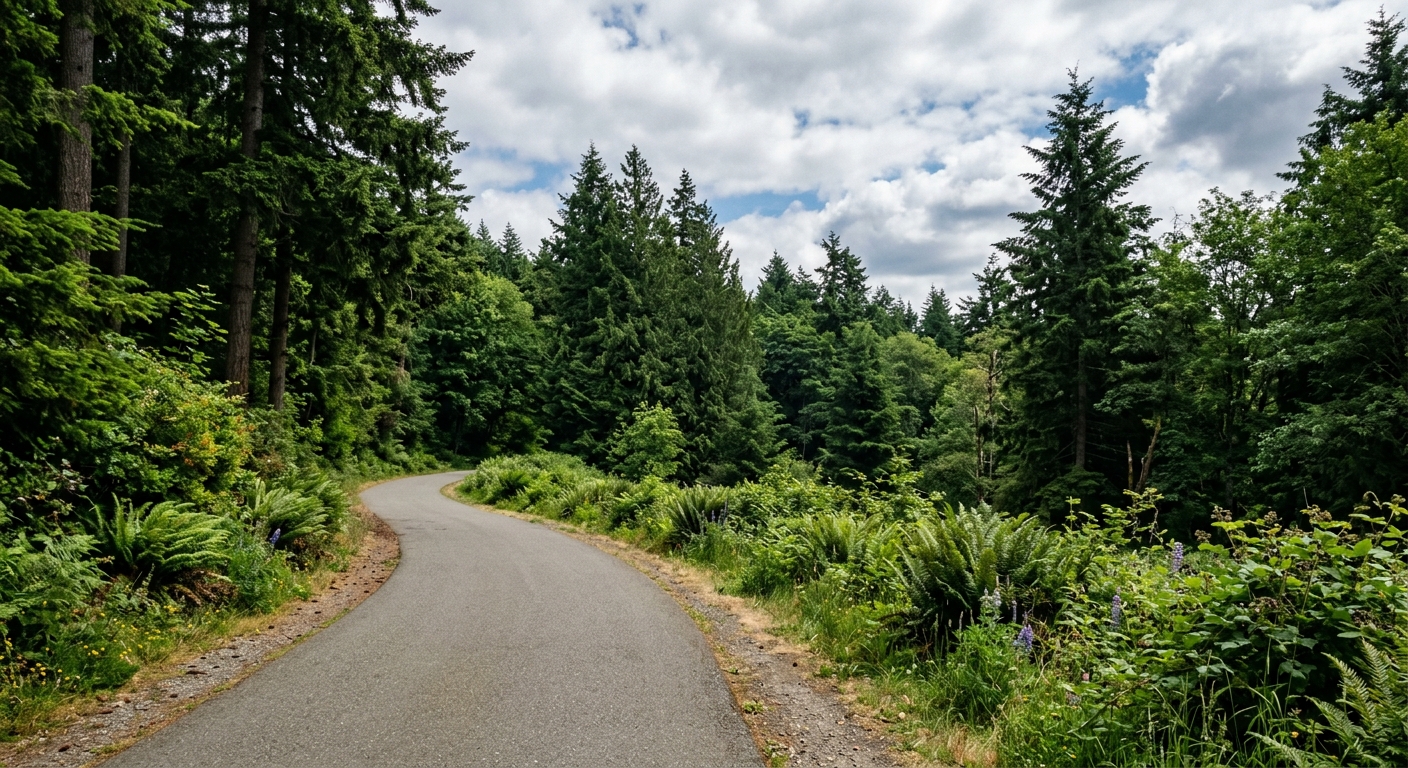
There’s something sacred about writing up here. Maybe it’s the solitude. The mist. The trees that stretch into the clouds like they’re reaching for something. We write slow. Thoughtfully. And that makes this AI thing… tricky.
A few folks I talked to weren’t buying it. “How can it mean anything if a machine wrote it?” one poet asked. Fair. Totally fair. But others saw it differently. “If it helps me tell my truth before it rots in my head,” another said, “then it’s worth using.”
That tension? That’s where it gets real.
The Surprising Thing? AI Can Actually Feel Human
I know, I know. Machines don’t feel. But if you’ve ever read something a writer created with a little AI help and found yourself moved—like, really moved—you know what I mean.
Especially in this region, where we love quiet stories. Slow burns. Deep introspection. AI, weirdly, can lean into that rhythm. It can help shape sentences that breathe. Stories that echo. It won’t give you soul. But if you bring it? It’ll help carry it.
What People in the Northwest Are Using AI For
No one’s using AI to skip the hard parts—they’re using it to get through them. Writers from Olympia to Boise are leaning on it in small, meaningful ways:
- Outlining messy ideas that have been circling in their heads for years
- Smoothing out the middle of books they’re already emotionally attached to
- Fixing dialogue that just doesn’t sound right
- Publishing independently through platforms that support self-publishing with AI
- Brainstorming endings that feel honest, not forced
It’s not about shortcuts. It’s about survival. Creative survival.
Whose Story Is It, Really?
That’s the haunting question, right?
If AI touches a story, is it still yours?
Here in the Northwest, where we still read poetry at farmers markets and scrawl novel ideas into wet notebooks on forest trails, voice means everything. The cadence. The breath between the words. The part that makes it yours, not anyone else’s.
And I think—if the core of the story is yours, if the ache is yours, the memory, the grief, the spark—that doesn’t disappear just because you had a little help.
Out Here, We Still Believe in Story
We’ve always told stories in this corner of the country. Around fire pits. On ferries. In old bookstores tucked between espresso shops and mountain trails. Stories that let us feel something. Stories that remind us we’re not alone.
So maybe it’s okay that the process is changing. Maybe using AI doesn’t mean selling out—it means hanging on. To the dream. To the voice. To the story you had to tell, even when it was hard.
And if someone reads that story on a rainy night and it stirs something deep?
Then it was worth writing. However you got there.