- calendar_today August 28, 2025
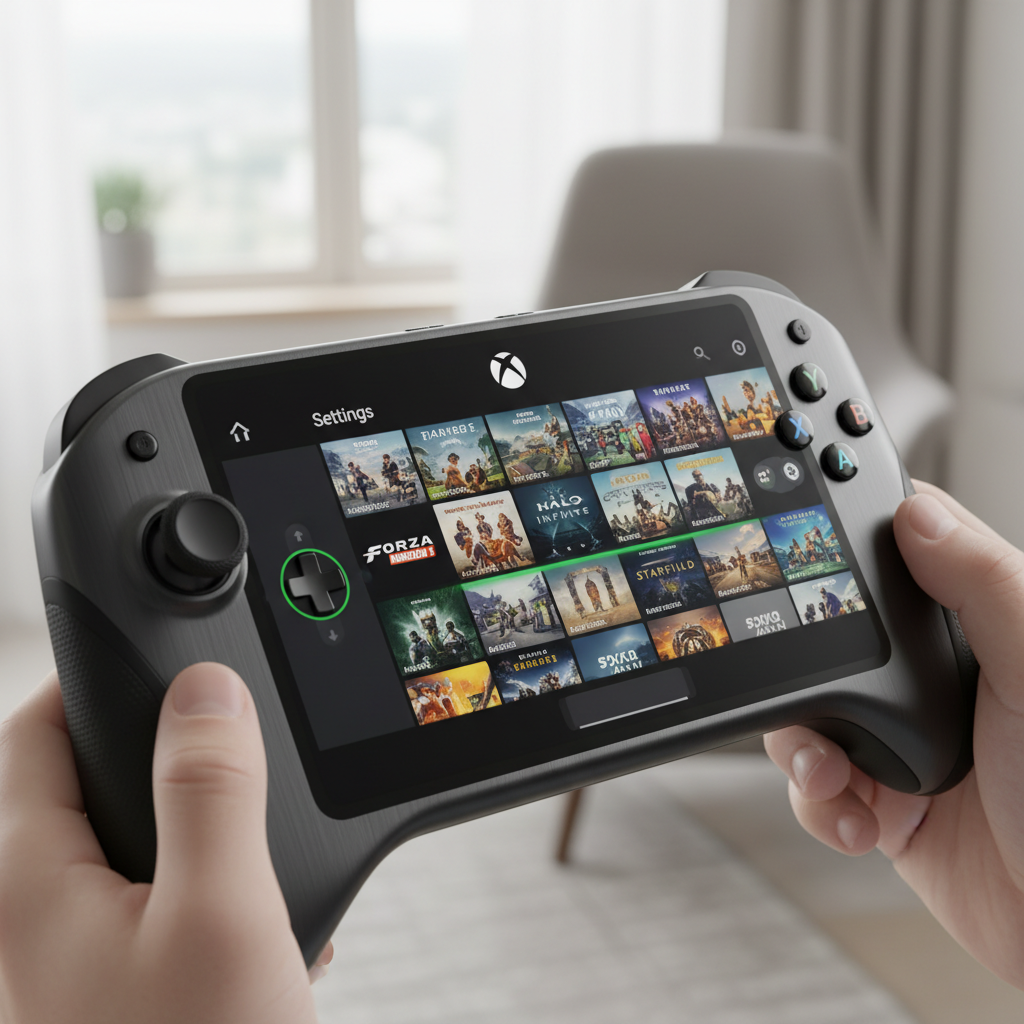
Microsoft has launched a new Xbox-branded user interface that runs exclusively on portable Windows devices to expand its presence in the handheld gaming market. The ROG Xbox Ally handheld device will serve as the launch platform for this new user interface after its development alongside Asus. The new interface eliminates the classic desktop-and-taskbar arrangement for a full-screen tile-based layout designed to work seamlessly with both controllers and touchscreens.
The Steam Deck and its use of SteamOS Linux operating system have been the main influences on the handheld gaming market up until this point. SteamOS allows users to play Windows games on Linux through Proton which has improved consistently since its release. The Proton compatibility layer has developed sufficient stability to support numerous Windows games so players can enjoy these titles without needing Windows installation.
The Steam Deck’s primary attraction comes from its gaming-focused user interface and efficient resource management. SteamOS does not replace Windows entirely due to existing compatibility constraints. That’s where Microsoft sees an opportunity. Through the deployment of a Xbox-designed user interface atop Windows functionalities Microsoft aims to merge universal software compatibility with a handheld-friendly console experience.
Microsoft announced that this new interface will debut on the ROG Xbox Ally before being expanded to additional Ally devices. Beginning next year other Windows handhelds should also incorporate this UI or a comparable interface. The relationship between this development and Microsoft’s “Windows Handheld Mode” project from 2022 remains uncertain after its unveiling at a hackathon. The Windows Handheld Mode project discovered major limitations in Windows for handheld devices such as inadequate touch optimization and insufficient controller support and introduced a new interface to address these problems.
Performance enhancements play a fundamental role in this development. The new Xbox interface reduces RAM usage by several gigabytes while decreasing energy consumption thus allowing more system resources to become available for games. Devices that depend on battery power require this advancement because every increment of performance matters for them. Additional software like Asus’ Armoury Crate is no longer necessary to connect desktop Windows with handheld capabilities.
Microsoft continues to maintain support for the traditional desktop experience even as it implements new changes. The full Windows interface remains accessible for users but will not serve as the default option. The hybrid model provides users with a smooth gaming experience and keeps full PC capabilities available when needed.
SteamOS and Proton receive ongoing development from Valve as they refine both technologies. These solutions now enable more individuals to play Windows games without requiring the Windows operating system. Beyond its use on the Steam Deck, SteamOS now provides support for additional handheld devices including certain products from Asus. The gaming world sees reduced reliance on Windows because Proton and Wine continue to advance. Windows’ weakening control over the market became evident when Linux achieved a market share of over 4% in the previous year.
Microsoft’s response to the handheld gaming trend has been sluggish as they have dedicated their resources to AI and security instead of gaming innovation. Steam Deck’s triumph has compelled Microsoft to respond with new measures. Microsoft has responded to SteamOS by launching a handheld-compatible Xbox UI that enhances Windows’ performance on compact gaming devices. The future impact of Microsoft’s strategy in competing against Valve’s established position is unknown yet this development demonstrates that Microsoft won’t remain passive in the evolving mobile gaming sector.