- calendar_today August 7, 2025
Why Artists in the Northwest Are Turning to AI—And Still Keeping It Real
Music in the Northwest Gets a High-Tech Twist
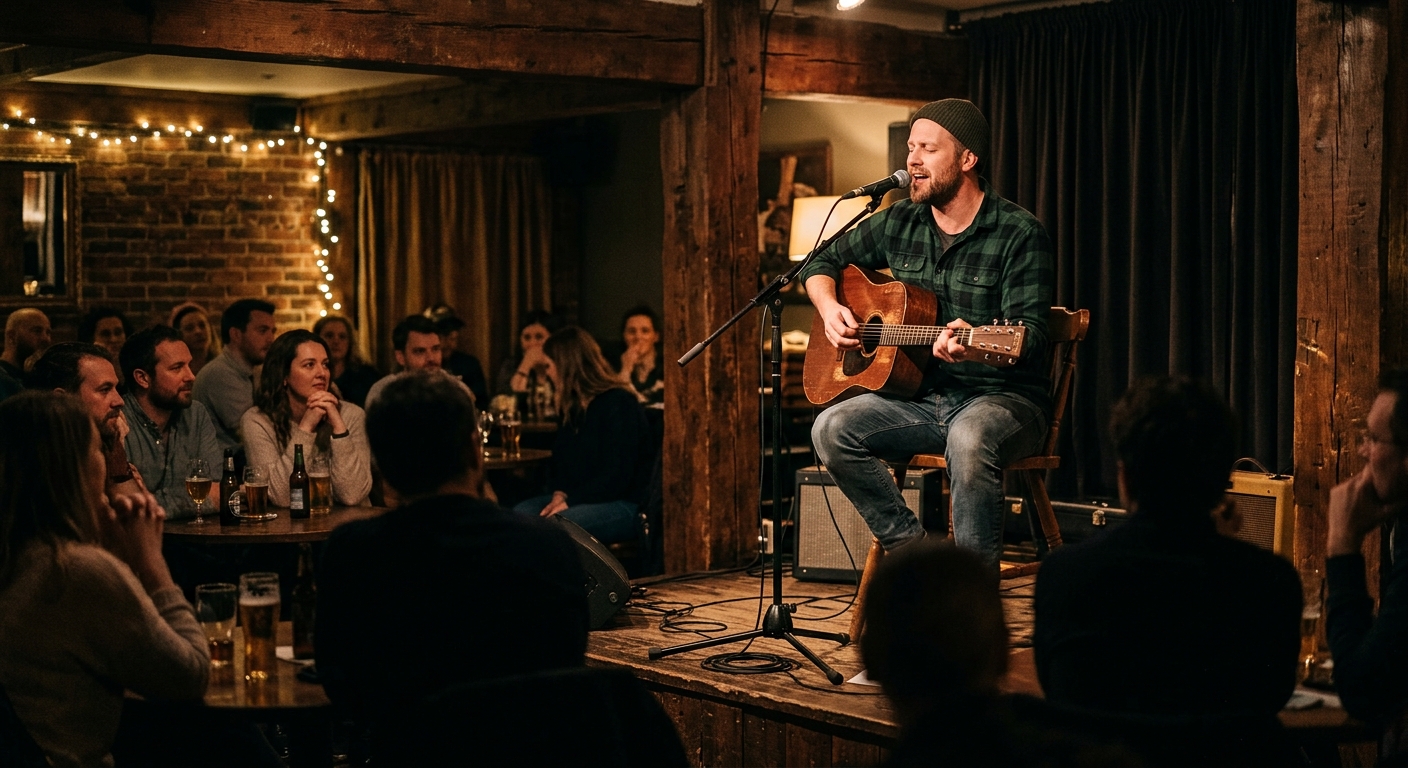
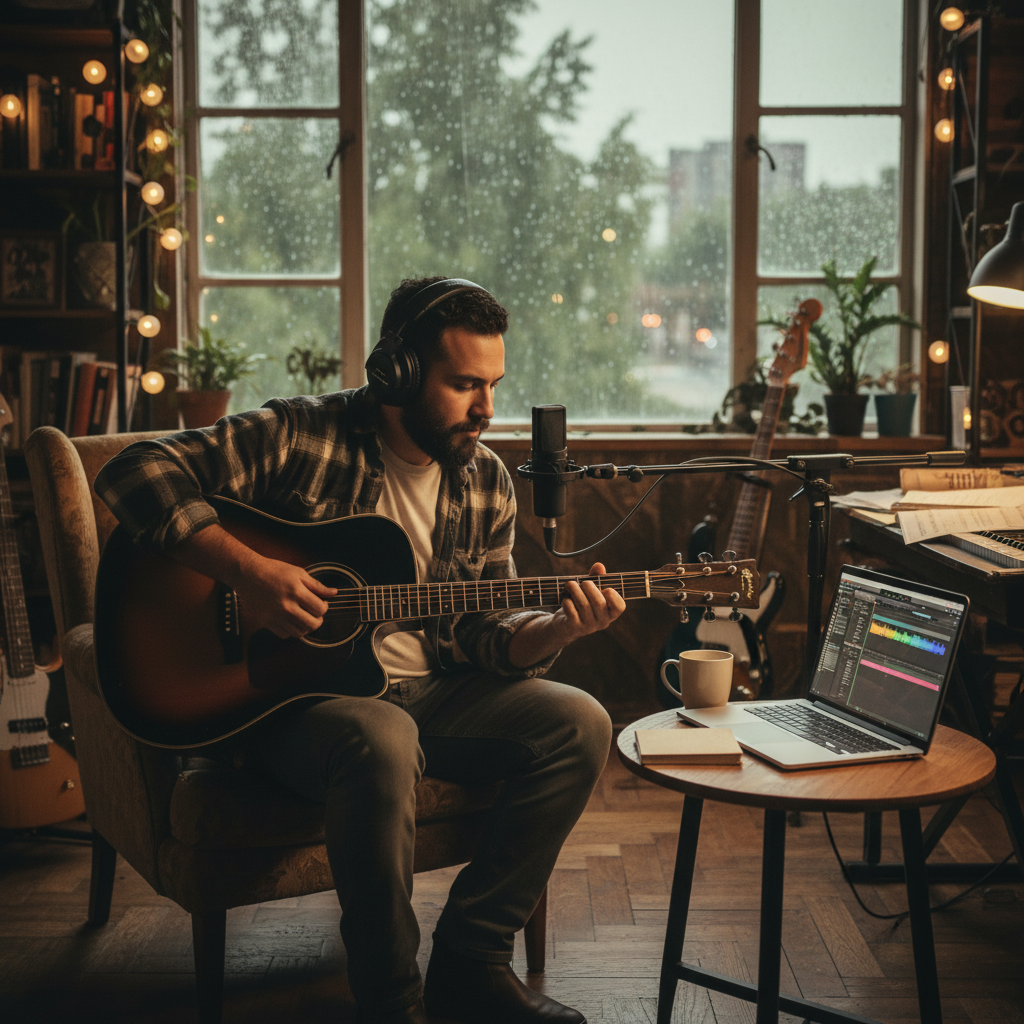
There’s something raw and real about the music that comes out of the Northwest. Whether it’s a stripped-back acoustic set in Spokane or a rainy-day synth-pop vibe out of Portland, this region wears its heart on its sleeve. But lately, artists from Bellingham to Eugene are adding something new to their sound: AI tools.
One local producer I met at a show in Tacoma said, “Look, I still write every lyric. But if a tool can help me experiment with melodies or smooth out a mix, why not?” In a place where independence matters, AI is being used like a looper pedal or a delay effect—just one more way to shape the sound.
Indie Filmmakers Are Using AI Without Losing the Plot
Seattle and Portland both have thriving indie film scenes—thoughtful, sometimes weird, and full of local character. Lately, though, more directors and editors are leaning on AI to save time and energy.
A filmmaker in Olympia told me she uses AI to organize hours of footage. “It doesn’t touch the story,” she said. “But it helps me find what I actually want to work with. I don’t have time to scroll through every take.” In true Northwest fashion, it’s all about working smarter so you can get back to the art.
AI Art? It’s Happening Here—and It’s Not What You Think
The visual art coming out of the Northwest has always had a dreamy, introspective quality—like it grew out of the fog rolling in from the Sound. Now, artists are using AI-generated textures and forms to push that feeling even further.
I met a painter in Bend who uses AI to generate outlines based on old sketches. “It’s not doing the painting for me,” he explained. “It’s helping me see the emotion in the original idea again.” That kind of collaboration—between the human and the digital—is surprisingly intimate.
Colleges Are Blending Tech and Storytelling in New Ways
From the University of Washington to Oregon State, students in the Northwest are finding fresh ways to use AI for creative expression. They’re building interactive games, writing scripts with branching storylines, and creating immersive installations that respond to viewers.
At a showcase in Eugene, I saw a student project that adjusted its visuals based on audience movement. “We didn’t just want to show something—we wanted people to feel inside it,” one of the artists said. That emotional connection is at the core of what makes creative tech work in this region.
Yeah, There’s Skepticism—And That’s Healthy
Of course, not everyone’s on board. In a region that values authenticity and slow growth, some artists are understandably cautious about tech that promises fast results.
One folk singer in Corvallis said, “If I wanted a machine to write my songs, I’d just hit play on an algorithm. But that’s not why I make music. I make it to process stuff. To heal.” And that’s the heartbeat of the Northwest—tech is fine, but only if it supports the human stuff.
What AI Offers (When It’s Used Right)
For many creators here, AI is less about cutting corners and more about extending what’s possible. It offers:
• Time-saving help: Editing footage, sketching drafts, and testing sounds faster
• Creative brainstorming: Offering surprising new directions for melodies or layouts
• Accessible tools: Helping small teams or solo creators do big things
• A chance to experiment: Without committing to a final version too early
Used well, AI becomes like a collaborator who never gets tired—but still needs a human to tell the story.
Final Thoughts
In the Northwest, creativity has always had a heartbeat. It’s quiet, thoughtful, a little moody, and deeply honest. Now, as AI enters creative spaces, artists are learning how to use it without giving up what makes their work meaningful.
Some will love it. Some will leave it. And most will probably land somewhere in between—grabbing what’s useful and leaving the rest behind.
But one thing’s for sure: whether it’s a poem scribbled in a Spokane coffee shop or a short film edited in a Portland basement, the real art is still coming from people. The AI might be in the room—but it’s not holding the pen.