- calendar_today September 5, 2026
Northwest USA — The response to a fentanyl overdose in rural Idaho has intensified debate over how the region’s laws handle the opioid crisis, illustrating the complex intersection of public health and criminal justice. The case of Isaac Piez stands as a stark example, following his fentanyl overdose and subsequent arrest under Idaho’s strict 2024 legislation.
Tragedy Unfolds Amid Changing Fentanyl Laws
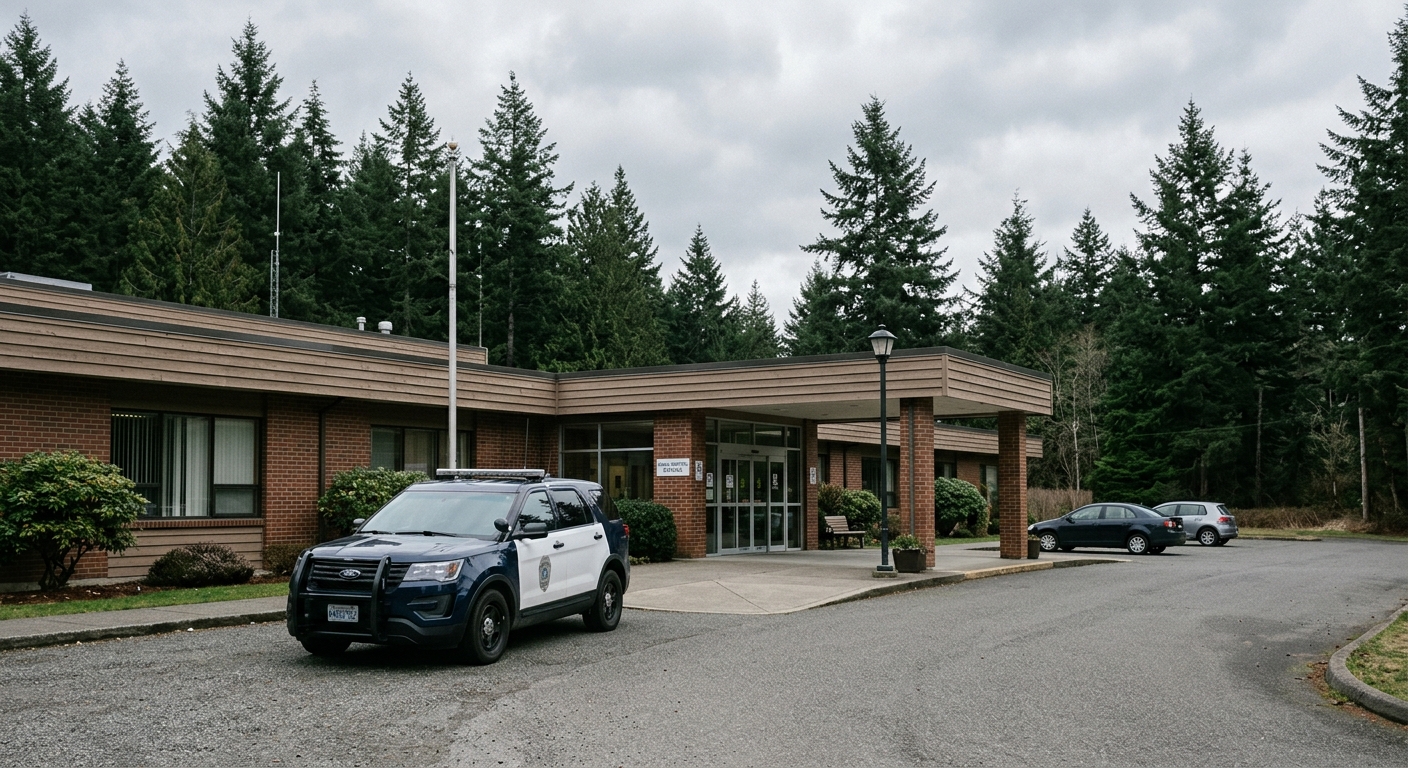
When Isaac Piez arrived at a hospital in rural Idaho after a fentanyl overdose, his mother, Cyndy Piez, hoped medical staff could save his life. Instead, the hospital reporting procedure resulted in law enforcement being called after she handed over a bottle containing pills. Due to Idaho fentanyl law, any possession over four grams is legally classified as a drug trafficking charge. This policy does not differentiate between individuals suffering from addiction and high-level distributors, creating tension within the region’s response to the opioid crisis.
Legal Responses Complicate Overdose Treatment
Despite the urgent need for overdose treatment, Isaac was taken from the hospital and charged, rather than admitted for comprehensive care. Many advocates argue that such an approach undermines addiction treatment and may worsen public health outcomes. In Isaac’s case, his health deteriorated while incarcerated—just days after an overdose—a situation advocates argue could have been prevented with timely medical intervention. These events raise fresh questions about whether fentanyl possession penalties are achieving their intended goal.
Good Samaritan Law and Patient Privacy at Risk
The incident further reveals conflict between Idaho’s 2024 fentanyl law and existing good samaritan law, which is designed to encourage people to seek help during a medical emergency. Critics say the criminalization of addiction discourages families and individuals from dialing for emergency help, fearing legal consequences. Medical professionals are also concerned about the impact of mandated hospital reporting on patient privacy and trust in healthcare systems.
Broader Impact of Criminalization
Isaac Piez’s case echoes a disturbing pattern within the Northwest USA, where strict fentanyl possession penalties can contribute to unintended tragedies. Law enforcement’s subsequent investigation did not identify a local supplier, illustrating difficulties in stemming drug distribution, which often sources fentanyl from out-of-state channels rather than within Idaho communities. The drug overdose death of Isaac underscores the need for strategies that look beyond punitive measures.
Calls for Policy Reform and Compassionate Care
Patient advocates and some legal experts in the Northwest USA are pushing for reform, arguing that addressing the opioid crisis requires a focus on evidence-based solutions and compassion. They urge lawmakers to rethink the balance between enforcement and access to lifesaving addiction treatment. Addressing the addiction crisis, they argue, is best achieved by investing in treatment infrastructure and reviewing laws that may inadvertently penalize individuals seeking help for a fentanyl overdose or other drug emergencies.
The Path Forward for Idaho and the Northwest
As the region confronts the ongoing opioid crisis, the story of Isaac Piez prompts renewed reflection on the human cost of stringent drug policies. Stakeholders assert that aligning fentanyl overdose responses with the good samaritan law and prioritizing patient care over prosecution is essential to saving lives. The conversation now centers on how state and local policymakers can better serve communities most at risk of drug overdose death, ensuring that compassion and public health are not sidelined by the criminalization of addiction.