- calendar_today August 15, 2025
Close attention is being paid to Hyundai’s investments of $21 billion in manufacturing in the U.S. in the Northwest: Oregon, Washington, and Idaho. This major consideration of pouring funds into a new steel plant in Louisiana and expanded electric vehicle production in Georgia is expected to sustain domestic manufacturing and lessen dependence on foreign imports.
Although the investments are being directly made in the southern region, its positive resonating effects might be felt on the industrial, tech, and transportation sectors of the Northwestern region, especially in terms of increased availability of steel, supply chain reconfiguration, and expansion in EV concrete implementation.
Projected Benefits to the Northwest Region
1. Strengthening Local Manufacturing & Steel Supply Chains
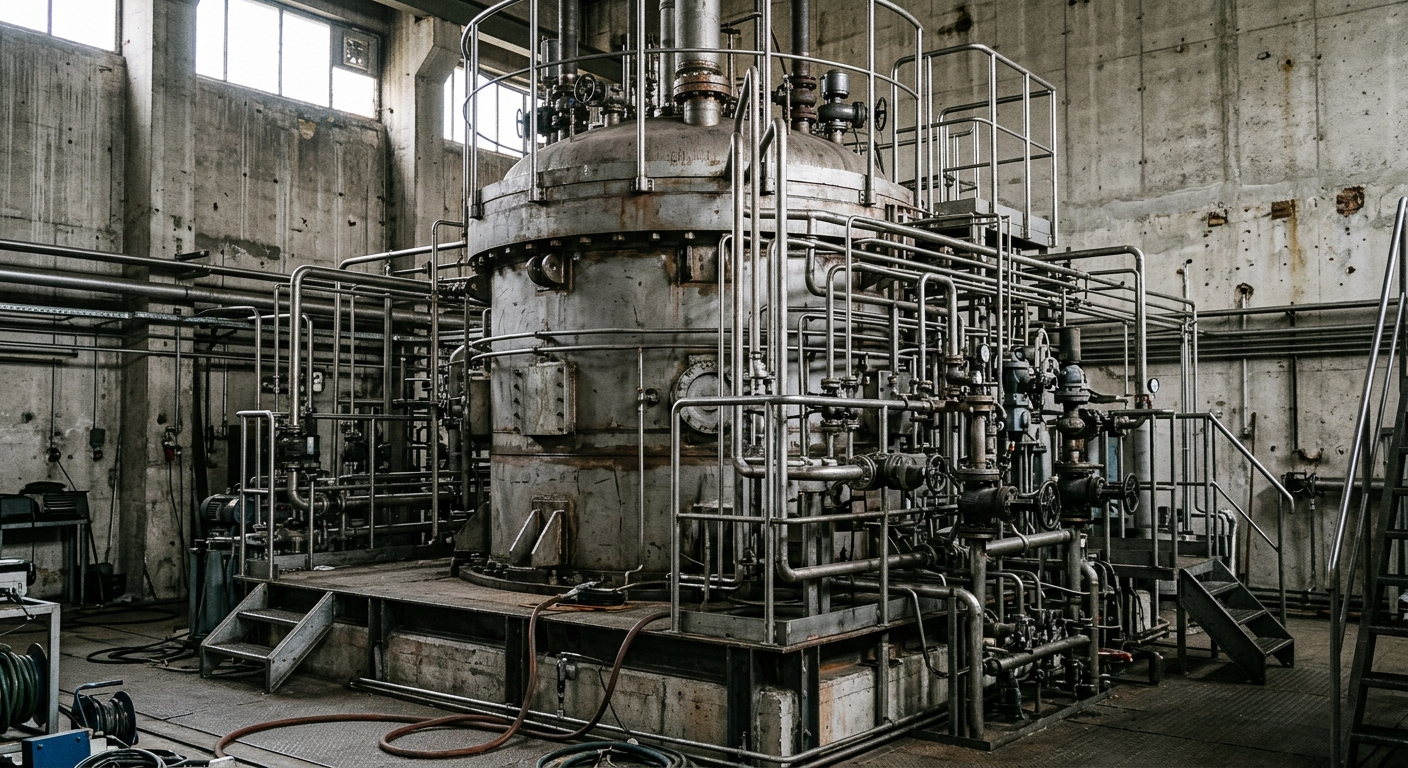
Hyundai’s investment in a steel plant in Louisiana may eventually make for a more consistent and economical steel supply throughout the U.S. for industries in the Northwest.
With growing manufacturing hubs in Oregon and Washington relying on imported steel, Hyundai’s pricing mechanisms could ultimately mitigate price and supply shock.
Shipbuilding, construction, and aerospace manufacturing across the Northwest may become beneficiaries of a lower-cost raw material.
2. Electric Vehicle Expansion & Infrastructure
Given the expansion in EV production, even greater availability of new Hyundai electric models could follow for the Northwest’s strong EV market spearheaded by Seattle, Portland, and Boise.
Oregon and Washington have a high adoption rate for EVs, and therefore, prospective customers in these environmentally conscious states would probably be driven to Hyundai’s cause of U.S.-built EVs.
Cities like Seattle and Portland may see some growth in charging infrastructure as a part of greater national expansion for EVs.
3. Job Creation and Economic Growth
While Hyundai’s investments are outside the Northwest region directly, the regional economy itself could profit in many ways:
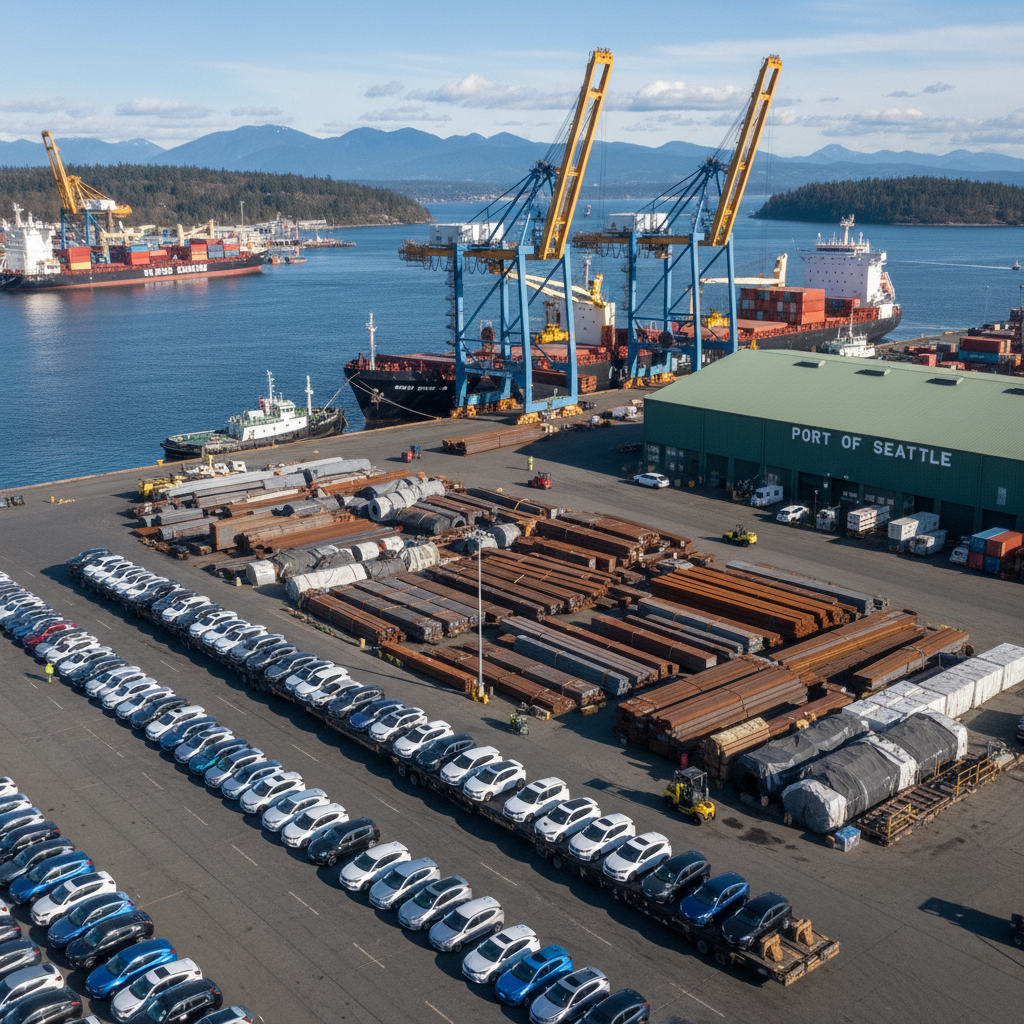
Logistics and transportation jobs may see an uptick, as Hyundai’s vehicles and steel products make their way through Northwest ports and rail networks.
The tech sector tie-up: Northwest tech hubs, particularly Seattle, will also emerge as potential partners for innovation, being that Hyundai is also investing in EVs as well as AI-assisted automotive-related technologies.
Manufacturing support services would see growth, namely engineering, automation, and supply chain management companies.
Business and Political Expectations in the Northwest
Industry Leaders See Opportunity
Northwest business leaders and policymakers are considering ways that Hyundai’s investment could be beneficial to local manufacturers, EV suppliers, and construction companies.
Local Governments Support Manufacturing Growth
State and local officials in Oregon, Washington, and Idaho are examining ways that policies in the region can align with investment trends by Hyundai, particularly around steel manufacturing, clean energy, and workforce development.
Conclusion: A Transformative Shift for the Northwest Economy
Hyundai’s $21 billion investment in U.S. manufacturing is a major step toward reshaping the automotive and steel industries. While the Northwest is not the direct recipient of new factories, the region stands to benefit through supply chain adjustments, EV expansion, and stronger manufacturing support services.
As Hyundai moves forward with its U.S. manufacturing expansion, the Northwest economy could see increased opportunities in key industries, job growth, and enhanced infrastructure for the future.