- calendar_today September 2, 2025
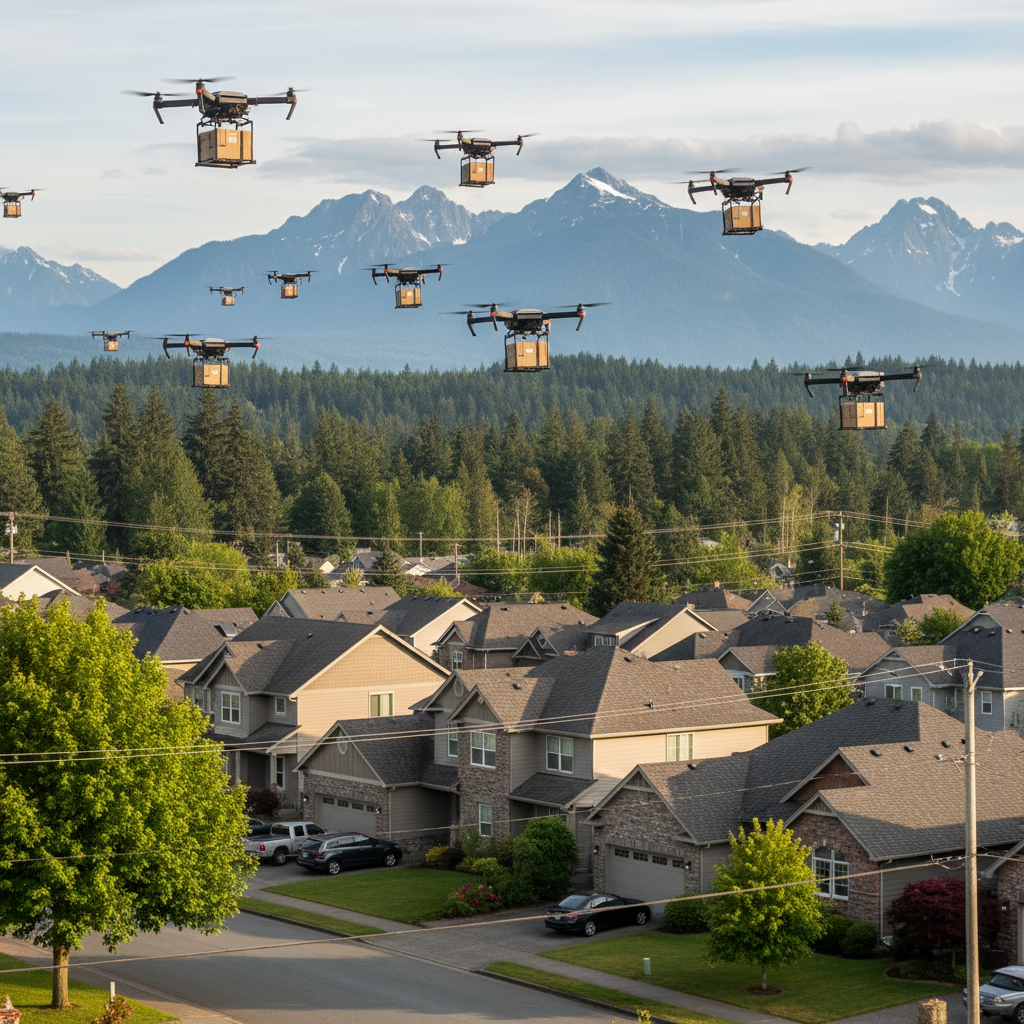
The Northwest United States’ skies are growing more congested—but not with airplanes or helicopters. Instead, a new wave of technology is being ushered in through the whirring of drones. Amazon’s expansion of its drone delivery program in recent times is charting the way toward a colossal shift in the way people receive their products, and the Northwest is quickly becoming a central element of that movement.
Amazon’s drone delivery program is no longer a pilot program—it’s a full-scale logistics revolution. With drones as part of its delivery fleet, the company will be quicker to make deliveries, cheaper to operate, and transform the transportation of goods across the country. For the Northwest, this is more than faster shipping—it’s a broader economic and technological revolution.
Why the Northwest is Ideal for Drone Logistics
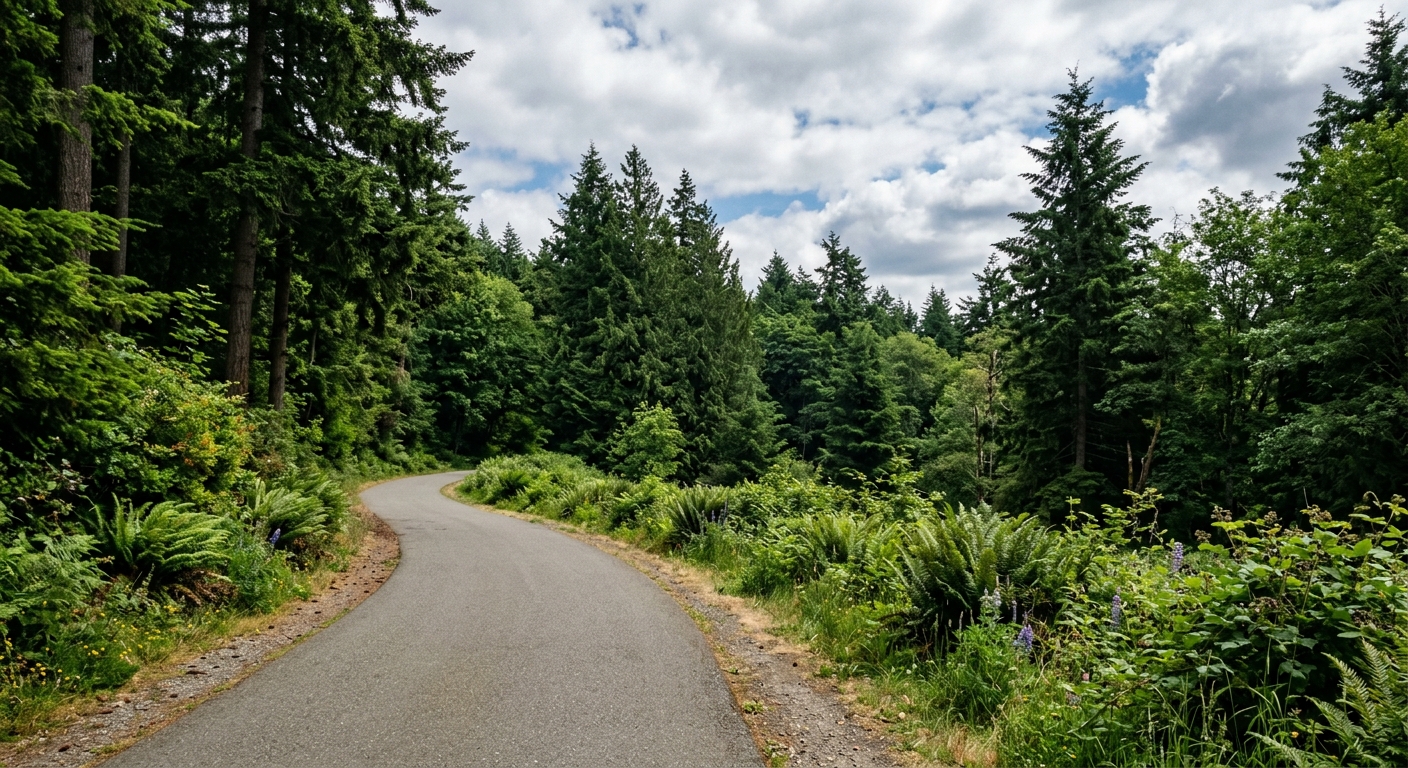
From forests in Oregon to coastlines in Washington, the Northwest possesses a unique blend of open space, suburban growth, and entrepreneurial communities. These characteristics make the region well-suited for drone deployment.
More expansive, less congested areas allow drones to travel more effectively and safely. Small towns and rural cities, which may have waited a little longer for delivery in the past, are now enjoying faster service thanks to the skies. This reduces dependency on long-haul trucking and last-mile delivery vans, especially for lighter parcels.
Secondly, people in the region are technologically savvy overall. As a result, it is more open to new technology. Such widespread support eases the manner in which companies like Amazon can deploy and scale up drone programs without much resistance.
Lower Costs and Higher Efficiency
Maybe the biggest benefit of drone delivery is that it can minimize the cost of logistics. Traditional delivery relies heavily on fuel, motorists, and physical infrastructure. Drones are electric vehicles, can be remotely controlled, and fly straight paths, minimizing the need for roads and congestion-causing delay.
Each drone has the capacity to carry light packages—like household goods, snacks, over-the-counter drugs, and electronics. These are the kind of things people are apt to need on an immediate basis. Amazon delivers these using drones to lighten the load for its trucks and drivers, who can concentrate on larger, heavier loads.
With time, the change will lower delivery cost for the consumer and the company. And in areas of the Northwest where delivery distance is likely to be longer and more rural, the cost savings could be even larger.
Speed to Fit the New Lifestyle
Consumers today demand speed and convenience. Individuals want to order something in the morning and have it delivered by lunchtime. This is now becoming a reality with drone delivery.
Amazon’s drones are set to deliver within 30-60 minutes of ordering. For busy families, telecommuting workers, or people in small towns with no access to large retailers, this might make a difference in their lives.
Imagine running out of dog food or needing a phone charger in a pinch. Instead of waiting a day or two, a small drone drops your package in your backyard or driveway in under an hour. That’s not just convenience—it’s the future of retail.
Economic Growth and Job Creation
New tech implies new work. While drones render certain legacy delivery jobs unnecessary, they create new jobs in technology, operations, and maintenance. The Northwest will see opportunities from drone maintenance, flight coordination, safety management, and logistics planning jobs.
In addition, education and regional governments can begin to offer specialized training to prepare workers for the skills necessary in this new sector. This helps create a stronger, more forward-thinking workforce across the region.
Those regions that are early entrants in these technologies will be leaders in drone logistics, attracting investment and attracting growth into their regional economy.
Safety and Public Trust
Naturally, not everyone is immediately comfortable with drones flying overhead. Privacy, noise, and safety issues are understandable. Amazon is meeting these issues by creating less noisy drones with advanced navigation systems to allow them to avoid collisions and land safely.
The company is also engaging with local communities, requesting feedback and shaping flight paths and delivery zones where needed. Trust is just as important as technology.
The Drone-Powered Future of the Northwest
As more drone delivery for Amazon takes shape, the Northwest will be a model for what intelligent logistics looks like. Faster deliveries, lower costs, and lower environmental footprint make drone delivery a win-win for businesses and customers.
From Seattle suburbs to Montana and Idaho’s rural towns, drone delivery is changing how people shop, how businesses operate, and how goods move.
It’s not just about speedier shipping. It’s about creating a logistics network that keeps up with the world in which we live—and the world we’re headed toward. The Northwest is poised, and the future is landing on wings.