- calendar_today July 14, 2026
A recent incident involving a rattlesnake bite in the Northwest USA underscores the persistent risks snakes pose to residents and visitors alike during the late spring and summer months. Christopher Howarth, an Idaho resident, encountered a harrowing experience while visiting family in Butte County, California, emphasizing the importance of snakebite awareness and preparedness for local communities across the region.
Unexpected Danger in a Family Garden
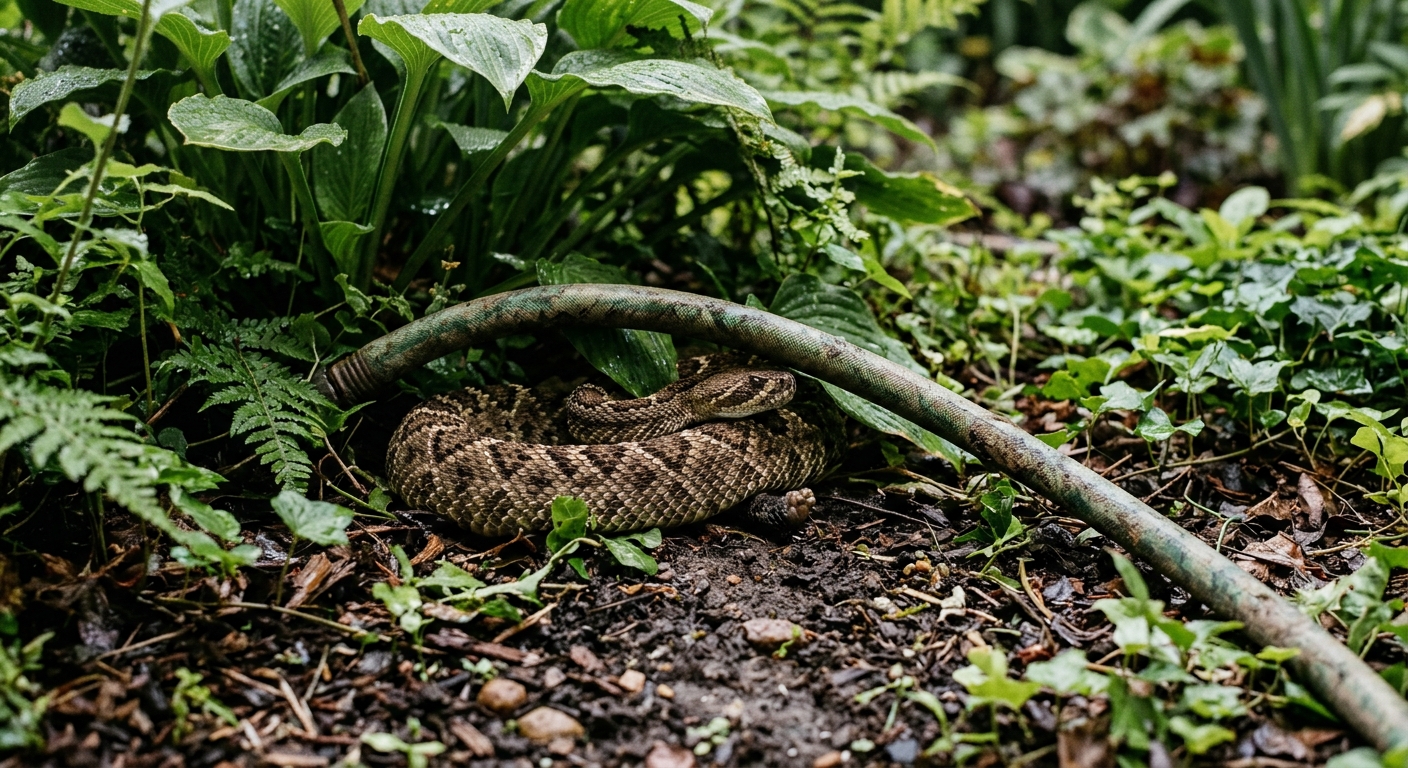
On May 26, Howarth was addressing a leaking waterline in his mother’s garden when he suffered an unexpected snake bite. Upon feeling sudden pain and spotting the rattlesnake, he swiftly sought medical care—an action credited with improving his prognosis. Immediate emergency response remains crucial in snakebite cases, especially given the rapid onset of snakebite symptoms such as swelling and numbness.
Complex Medical Challenges and Antivenom Use
Howarth’s treatment involved the administration of antivenom use, a cornerstone in modern snake bite treatment. However, his case became complicated after doctors diagnosed him with disseminated intravascular coagulation (DIC), a rare but severe blood clotting disorder that can occur as a response to certain venom effects. Over several days and across two hospitals, Howarth required a total of 54 vials of antivenom and remained in intensive care before ultimately being discharged on June 6. His recovery, supported by ongoing medical follow-ups, highlights the potent and sometimes unpredictable consequences of rattlesnake envenomation.
Rattlesnake Awareness in the Northwest USA
The Howarth family’s experience illustrates the importance of ongoing rattlesnake awareness for residents throughout the Northwest USA. Contrary to common belief, rattlesnakes may be found not only in hot, arid areas but also in shaded gardens and after rainfall. As summer activities intensify and people spend more time outdoors—whether in backyards, parks, or wildlands—recognizing the symptoms of a bite and knowing how to respond can be lifesaving.
Lasting Effects and the Path to Recovery
Snakebite recovery can be lengthy and expensive, particularly following a severe envenomation such as Howarth’s. The family’s medical ordeal led to the creation of a fundraiser to help offset substantial treatment costs. Their ongoing journey serves as a reminder that complications like DIC and other venom-induced ailments can require extensive hospital resources and rehabilitation. Community support and awareness are vital aspects of returning to health after a critical incident.
Essential Outdoor Safety and Snakebite Prevention
Experts and healthcare practitioners in the Northwest USA stress outdoor safety as encounters with venomous snakes are possible in an array of environments. They recommend basic precautions—wearing boots and long pants while working in gardens, heeding visual and audio warnings from wildlife, and closely supervising children and pets. In the event of a bite, snakebite prevention advice remains consistent: avoid attempting to suck out the venom, do not apply a tourniquet, and stay calm to slow the spread of toxins. Prompt transportation to the nearest medical facility with antivenom resources is strongly encouraged.
Building Community Resilience
The Howarth incident has brought renewed emphasis on rattlesnake awareness and community education. Local health authorities encourage citizens of the Northwest USA to familiarize themselves with the types of snakes native to their surroundings and regularly review snake bite treatment protocols in both rural and urban settings. As outdoor recreation and home gardening continue throughout the season, simple preventive steps can reduce risks and foster a safer environment for all.