- calendar_today August 14, 2025
Northwest USA Preparing for Federal Reserve’s Interest Rate Plan
Federal Reserve’s failure to adjust interest rates at the start of 2025 is rattling the Northwest USA, a place well-known for its thriving technology industry, agrarian economy and property market. Two planned reductions this year imply that businesses, residents, and investors are measuring how the action will affect their economic yield and financial forecast.
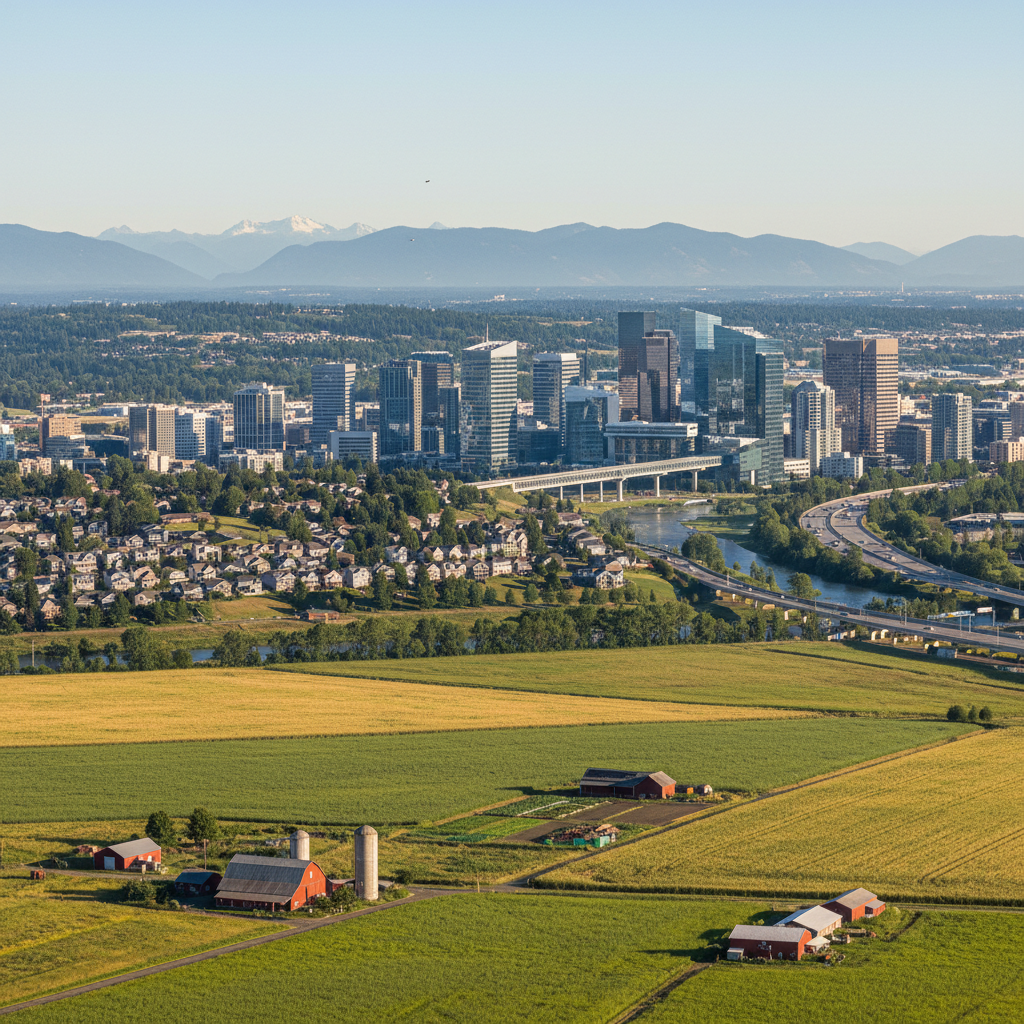
Spreading from Idaho and Oregon to Washington, the Northwest economy is characterized by a blend of rural production and urban ingenuity. From Seattle’s vibrant technology sector to Idaho’s growing farm firms, the Fed’s monetary policy will have conflicting impacts around the region.
The Federal Reserve has chosen to keep interest rates steady at present as a response to still-present inflationary forces. While easing from current highs, inflation remains above the Fed’s 2% target. By keeping the higher rates in place for a short interval, the central bank is trying to anchor prices ahead of making cuts.
For Northwest consumers and businesses, that translates into extended high borrowing costs at least for the moment, from buying a home to investing in a firm. But the projected two rate cuts in later 2025 is fostering guarded optimism.
Effect of Interest Rates on Northwest Economy
1. Washington’s Tech and Startups
Seattle’s tech hub, home to Amazon and Microsoft among other industry giants, has been grappling with rising business expenses following rising interest rates. Start-ups that have used business loans and venture capital have found it hard to access funds.
Cutting interest rates would most likely improve lending conditions, which will enable start-ups of new technologies to take loans and expand business activities.
2. Oregon and Idaho Real Estate
Real estate business in Oregon, especially in Portland, has retreated because of high mortgage rates. Urban real estate business in Idaho’s urban areas such as Boise has improved, however, but customers have gotten apprehensive with higher borrowing expenses.
Homebuyers would benefit from cheaper interest rates, more demand and the local real estate market.
3. Agriculture Across the Northwest
Agriculture is among the prevailing industries in Washington, Oregon, and Idaho economies. Farmers use loans to purchase equipment, expand acreage, and finance operating costs. Higher interest rates have placed additional pressure on farm companies’ balance sheets.
Reducing interest rates later this year would enable farmers to borrow at a lower price and invest the funds to mechanize their farms, making them more efficient.
4. Small Business Growth
From Portland neighborhood breweries to Washington coastal town tourist businesses, small businesses can’t obtain cheap credit when interest rates are high. More available rates would spur business expansion and hiring, which would spur the local economy.
How the Northwest is Coping with Current Interest Rates
Prudent Business Investments
The majority of corporations are waiting for lending to become cheaper before engaging in significant levels of capital expenditures. Corporations that operate in the construction and computer sectors are most affected by this.
Housing Market Adjustments
So long as mortgage rates are high, most who would otherwise purchase homes wait until rates decline. Realty sellers and brokers are changing to less busy marketplaces, expecting more busy marketplaces once rates fall.
Strategic Financial Planning
Consumers as well as businesses want to regulate cash flow, cut discretionary expenses, and seek alternatives to refinance debt when rates finally fall.
What’s Ahead for the Northwest USA?
With 2025 on the horizon, the projected rate reduction can translate to:
- More real estate transactions and home construction as mortgage rates decrease.
- Reduced loan prices for consumers to purchase cars, and homes, or attend college to make these items more affordable.
Since the Northwest’s economy continues to be robust, its consumers, investors, and business owners are all eagerly anticipating what the Federal Reserve will do next. These two rate decreases may well be a boost that the region and economic growth need.