- calendar_today September 6, 2026
Idaho Sewage Treatment Violations Spark Water Quality Concerns in Northwest USA
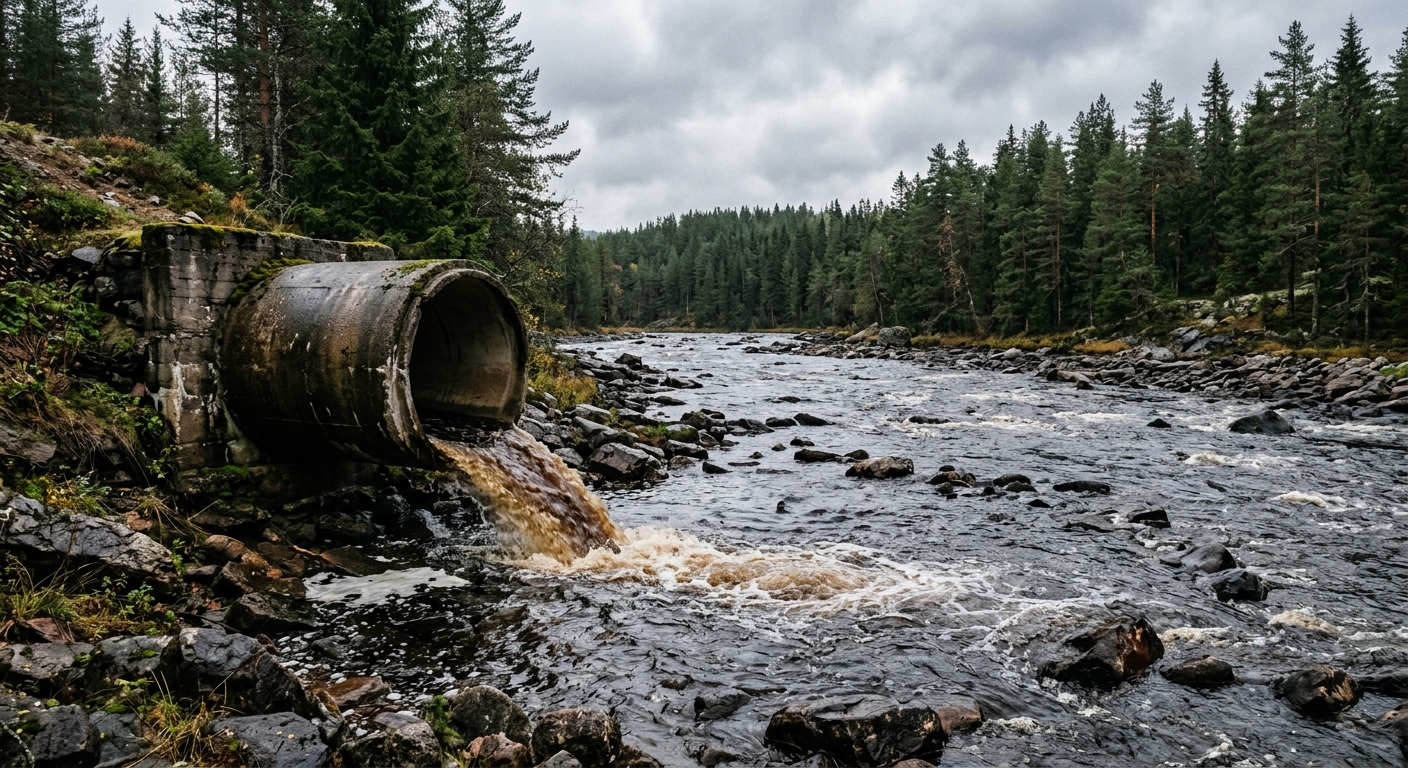
In the Northwest USA, a recent report from the Idaho Conservation League has drawn attention to serious idaho sewage treatment violations. Over half of the state’s sewage treatment plants reportedly breached federal Clean Water Act standards in 2025, releasing contaminants such as E. coli, toxic metals, and high levels of nutrients into local rivers and lakes.
Significant Violations Identified
The report highlights that out of more than 100 treatment plants across Idaho, 11 facilities accounted for the majority of repeated wastewater violations. Plants in Driggs, Preston, and Plummer were responsible for over a quarter of all documented violations, indicating persistent operational difficulties. For more than a decade, many of these sites have struggled to manage pollutant discharges, leading to elevated levels of water pollution in critical waterways.
Public and Environmental Health Risks
While no major fish mortality events or public health emergencies have been reported to date, concerns persist regarding the ongoing exposure to contaminants such as fecal bacteria and toxic metals. The continued presence of these substances poses risks to both recreational users and the region’s aquatic ecosystems. Scientists and conservationists in the Northwest USA are closely monitoring the situation, warning that the cumulative effects of chronic pollution may only become fully evident over time.
Clean Water Act Compliance and Enforcement
The Idaho Department of Environmental Quality has acknowledged the presence of repeat violations and has begun environmental enforcement actions against non-compliant facilities. However, details about these enforcement measures remain confidential due to ongoing legal proceedings. The Idaho Conservation League stresses that full transparency and rigorous oversight remain essential to ensuring statewide compliance with Clean Water Act mandates.
Successes and Upgrades at Local Treatment Plants
Despite significant violations in some areas, progress has been made at certain facilities. The Preston sewage treatment plant, for example, recently underwent treatment plant upgrades, resulting in no recorded violations so far in 2026. Other notable compliance successes include plants operated in Nampa, Star, and portions of Boise, which reported full adherence to water permits throughout 2025. These examples demonstrate that consistent water quality improvements are achievable with targeted investment and management.
Contribution to Algae Blooms and Ecosystem Impacts
The report also notes an increase in algae blooms across Idaho since 2023, with wastewater discharge identified as a contributing factor. Harmful algal growth threatens lakes and reservoirs, affecting both wildlife and human recreation. The escalating frequency of these blooms underscores the urgency of maintaining effective idaho sewage treatment protocols and addressing water pollution at its source.
Aquatic Ecosystems and Community Responsibility
Protecting aquatic ecosystems remains a priority for communities throughout the Northwest USA. Local resource managers and conservation organizations continue to advocate for enhanced monitoring, stringent environmental enforcement, and education around sustainable wastewater management. By investing in plant upgrades and enforcing regulations, Idaho’s towns and cities can safeguard the region’s water resources for future generations.
Looking Ahead
The Idaho Conservation League’s findings highlight the ongoing challenge of balancing community growth with environmental stewardship. The call for vigilance and adherence to water protection laws rings true not only for Idaho, but for all areas of the Northwest USA dependent on healthy waterways. With committed investment in treatment plant upgrades and a continued focus on compliance, the region is better positioned to avert the worst outcomes associated with wastewater violations and support resilient aquatic ecosystems.