- calendar_today June 19, 2026
The Wyoming Boys’ School, a prominent juvenile facility in the Northwest USA, is at the center of a growing court lawsuit that alleges systemic abuse, improper use of solitary confinement, and the widespread falsification of reports. This legal action, focused on the troubled history and rehabilitation of delinquent boys, highlights concerns that could have regional implications for juvenile incarceration protocols.
Allegations of Solitary Confinement in Juvenile Facility
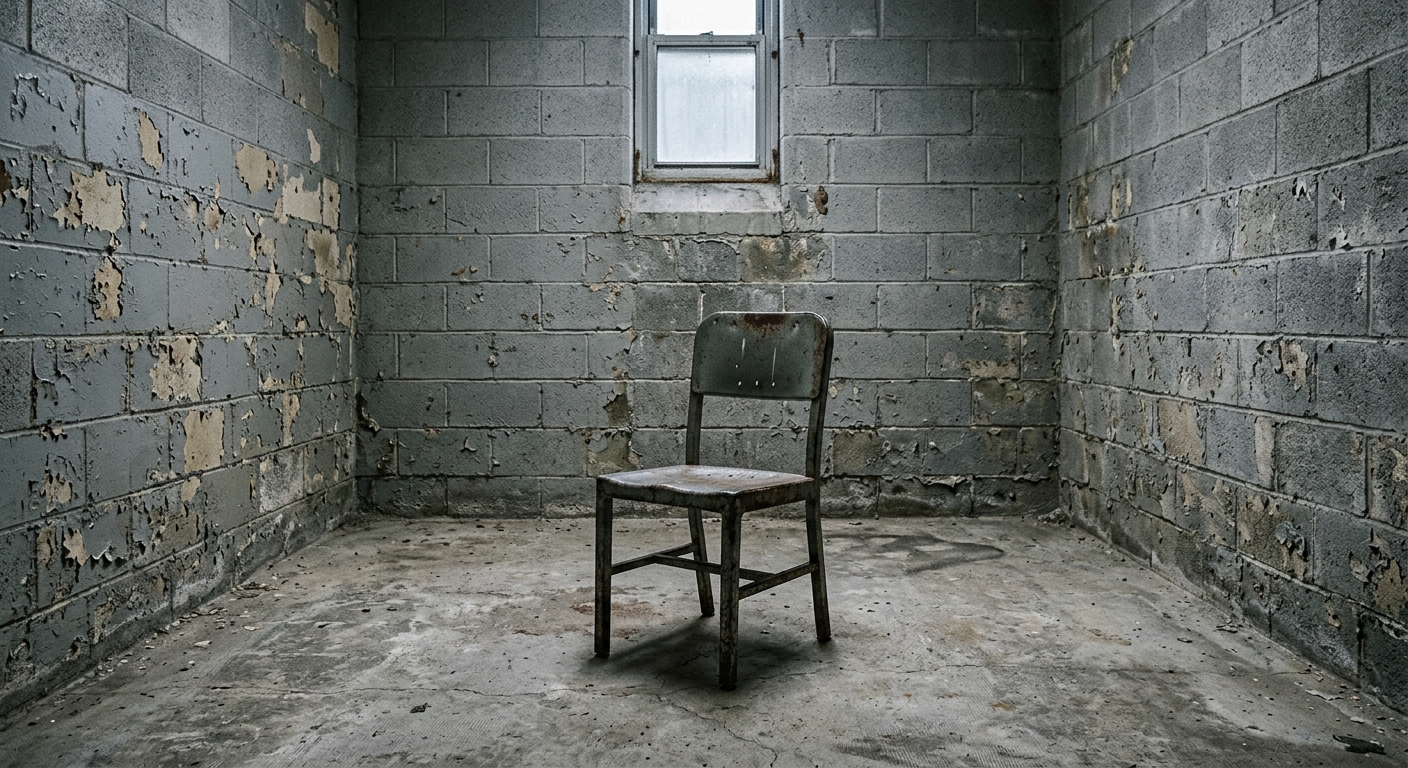
According to documents filed in court, the wyoming boys school repeatedly used prolonged solitary confinement as a method of discipline. Plaintiffs in the lawsuit described conditions where boys were routinely held in isolation, deprived of basic necessities, and often denied therapeutic or educational interventions. One plaintiff reportedly spent up to 75 percent of his time at the school in isolation, resulting in worsening mental health issues and raising questions about the ethical standards of juvenile incarceration.
Use of Restraint Chair and Physical Force
Video evidence and photographs submitted as part of the lawsuit reveal juveniles being restrained in chairs for periods that exceeded national safety recommendations. The use of a restraint chair, sometimes for hours at a time, has prompted scrutiny over its safety and necessity – particularly as these practices were applied to compliant youths. Allegations include incidents where boys were shackled, masked, and subjected to force resulting in significant injuries such as broken bones and head trauma. The use of force described in these reports has intensified advocacy for reform in the region’s care of detained youth.
Falsified Reports and Administrative Oversight
The lawsuit further contends that staff at the Wyoming Boys’ School frequently engaged in the creation of falsified reports to minimize their use of violence and other infractions. Depositions suggest that leadership at the facility sometimes directed staff to alter official records, raising concerns about systematic cover-ups within the juvenile facility. These allegations strike at the heart of transparency and accountability in public institutions across the Northwest USA.
Abuse Allegations and Medical Indifference
Plaintiffs’ attorneys argue that the school’s response to medical emergencies exhibited deliberate indifference. Reports include failures to provide care after suicide attempts, and at times withholding necessary medical devices. These abuse allegations extend to claims that the school thwarted efforts by young people to seek help, thereby worsening their overall health outcomes. Advocates stress that such indifference to the needs of a vulnerable population stands in direct violation of constitutional rights and established ethical guidelines.
Legal Actions and Community Response
This court lawsuit challenges not only the practices at the wyoming boys school but broader policies surrounding juvenile incarceration across the region. Legal teams for the plaintiffs seek to prevent the dismissal of the case before trial, pushing for a full judicial review to uncover the extent of improper isolation and force. The case signals a call for increased oversight of facilities tasked with rehabilitating delinquent boys in the Northwest USA, and advocates for reforms that put youth mental health and rehabilitation at the forefront.
Implications for Youth Justice in the Northwest USA
The fallout from these allegations has resonated throughout the local community and state agencies tasked with overseeing youth correctional programs. As scrutiny of the wyoming boys school continues, stakeholders from mental health professionals to legal experts emphasize the lasting consequences of harmful disciplinary tactics. With issues of solitary confinement, restraint, and the falsification of records now in the public eye, there is renewed momentum for policy shifts that safeguard the well-being of juveniles in state custody. Observers across the Northwest USA await the outcome, aware that changes here may shape the future of youth justice throughout the region.