- calendar_today August 10, 2025
The release of “Images in ChatGPT” by OpenAI represents a significant breakthrough as it incorporates image generation tools into the ChatGPT platform. The GPT-4o model powers a breakthrough that allows users to produce images during their chat interactions while advancing AI content creation capabilities.
The “Images in ChatGPT” feature extends to every ChatGPT service level, including Plus, Pro, Team, and free versions, to provide widespread access to advanced image generation. OpenAI spokesperson Taya Christianson observed that free tier users face similar usage constraints as DALL-E 3 to create approximately three images daily, although these limits can change according to demand. Users who love DALL-E continue to access its features through a specialized GPT interface.
Research lead Gabriel Goh from OpenAI described GPT-4o as an “omnimodal” foundation which processes multiple data formats such as text, images, audio, and video. The model now features improved “binding” operations, which solve a frequent problem found in AI image production. Previous models frequently failed to maintain correct associations between objects and attributes, but GPT-4o successfully handles up to 20 objects while preserving both colors and shapes correctly.
The most significant advancement comes from its enhanced text rendering capabilities. AI-generated images have historically exhibited problems with distorted or meaningless text displays. Goh described the development as a lengthy iterative process that required many months to perfect. The team admits that flawless text rendering for small elements is unachievable, but has reached sufficient consistency levels to ensure reliable text functionality in images.
The system’s design departs from the diffusion models used by most image generators because it uses an autoregressive method. The sequential generation approach from left to right and top to bottom mirrors text generation methods and is believed to enhance text rendering and binding abilities.
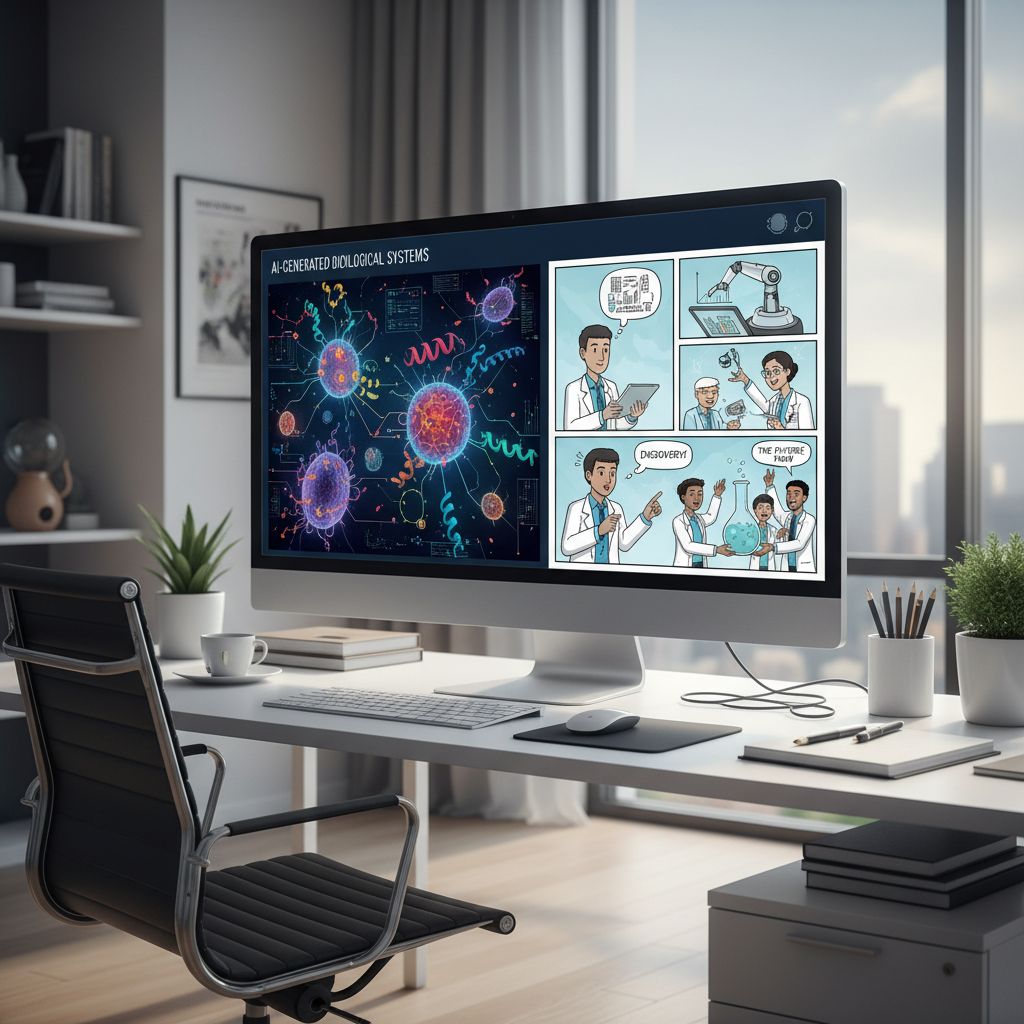
The OpenAI team presented multiple applications of their system during a briefing, which included precise scientific diagrams such as Newton’s prism experiment with proper labeling and the creation of multi-panel comics using consistent characters and dialogue, together with informational posters containing accurate text. The presentation included practical demonstrations like creating transparent background images for stickers, restaurant menus, and logos.
Jackie Shannon, who leads multimodal products at ChatGPT, stressed the system’s capability to utilize global knowledge. She explained that her image drawing process incorporates both her personal skill limitations and her accumulated knowledge of the world. The system incorporates world knowledge into its processes, which enables it to generate images of Newton’s prism experiment without needing additional explanations from users.
OpenAI believes that users will find the improved quality and expanded features worth the extra time required for image generation. Shannon acknowledged latency improvements but emphasized that image quality and world knowledge compensate for any extra wait time.
Key Technological Advancements: Binding, Text Rendering, and Architectural Shifts
The GPT-4o model brings substantial technological progress through its “binding” abilities, which enable precise representation of intricate scenes containing multiple elements. Through numerous development iterations, experts achieved improved text rendering, which overcomes a major restriction faced by earlier AI image generators. The move towards autoregressive image generation methods instead of conventional diffusion models is believed to drive the observed improvements.
Safeguards and User Empowerment: Addressing Misuse and Ensuring Responsible AI
OpenAI addressed misuse concerns by emphasizing the establishment of strong protective measures. The system works to block sexual deepfakes generation while preventing watermark removal alongside rejecting CSAM requests. There are no visual watermarks present, but every produced picture features standard C2PA metadata, which identifies them as creations by OpenAI. The company operates internal tools to verify images.
Despite the absence of a flawless system, Shannon stated that we’re constantly refining our safeguards, which we consider our initial approach. Users who generate images through ChatGPT have ownership rights and can use these images according to their preferences as long as their usage aligns with OpenAI’s policies.
OpenAI’s “Images in ChatGPT” upgrade improves its main product and establishes new benchmarks for accessible AI image creation while carefully tackling related risks.